This year has been very tough on my photography. Both events around New Zealand and in my personal life threw up many obstacles. The floods in Tāmaki Makaurau (Auckland), the damage caused by Cyclone Gabrielle, the death of my mother, an assault, getting hit by a motorist while biking to work (it took months to recover from the injuries), going to China for 2 months and catching Covid19 there, all prevented a lot of photography.
On the gear front I've sold my Sony ɑ7Riii, ɑ9 (and an old ɑ7R) and bought a Sony FX30 and ɑ1. The ɑ1 is a great all-round camera. It solved the dilemma over which camera to bring on a trip. Before I used the ɑ7Riii for my landscape work and the ɑ9 for wildlife and birds. What if I wanted to shoot both subjects? I'd either have to bring both or accept I'd not get the photos I really wanted. The ɑ1 is just better at landscapes and birds than either camera. And with its video tools (up to 8K video recording) it excelled there also. It's the camera that can do it all.

My plans for 2024 are to rework my website into a more modern layout. I've begun that process. And I'm hoping to specialise increasingly in seascape photography. Since the Waitakere Ranges have had their tracks closed to protect the Kauri trees, my waterfall photography has taken a dive. The forests were filled with streams and waterfalls, big and small. Tāmaki Makaurau however is almost surrounded by the sea. It seems a good subject to specialise in, especially as I've been taking seascape photos for many years anyway.
So that's pretty much it for 2023. It hasn't been my favourite year and I'm hoping 2024 will be the year things improve.
Noho ora mai my friends.
]]>The Cathedral is a UNESCO World Heritage Site, and an impressive structure. The shots taken in the interior were with my Sony a900 and a 20mm prime lens. This is about as wide as I can go with my current kit, and the relatively small size of the 20mm lens is pretty travel friendly. But the Cathedral is really something that does not suit cellphone cameras very well. The scale of the cathedral is impressive and the history of the place profound. So, here's a sample of shots from the inside.


]]>


Most pictures of this fall (on the web) are from the right hand bank, where a grassy area takes you close to the fall. That didn't create a lot of foreground interest, so I went for the left bank. This gave me the chance to use the pools along the stream as foreground. I had to wedge the tripod on a narrow platform on the bank to line up this shot. One tripod leg was actually placed horizontally to wedge the spike into the bank. May I say once again, spiked feet on a tripod are a great invention. This is also one of my first shots with the Minolta 85mm f1.4 G lens.
For a say, urban waterfall, frequented by people and sometimes their dogs, it is quite appealing.
Photo has been edited to remove some of the graffiti carved on the sides of the cliff.
]]>
It's on the Tor that I finally get the shot I like. The only problem is I neglected the tide, and had to wade through the sea back to the beach. Soaked boots and lower legs. Not a smart move.

My second idea was to convert the pic into a duotone image. This also appealed to me, it seemed to have a mood about it that the colour version lacked.

The outtake of the session was one of my first shots, from the other end of the beach.

]]>
Friday
Saturday
Sunday
]]>
This is a scene from Lucas Creek, in Albany, Auckland. It's a few minutes from where I work, so I made a diversion on the way to work to stop here. I've used an ND3 grad to reduce the brightness of the sky in the top of the scene. A Lee Big Stopper was used to slow the exposure.
I did apply a light vignette to the edges to draw more attention to the waterfall. In this case, the 20mm lens wasn't optimal for the scene. It gives a very wide perspective, and I couldn't get closer to the waterfall. I'd have preferred to make the waterfall a larger element of the photo.
Nonetheless, the challenge is to shoot this month with just one prime lens.
]]>
The first shot was a short diversion after the 'school run', to Waiake.
"The Tor"

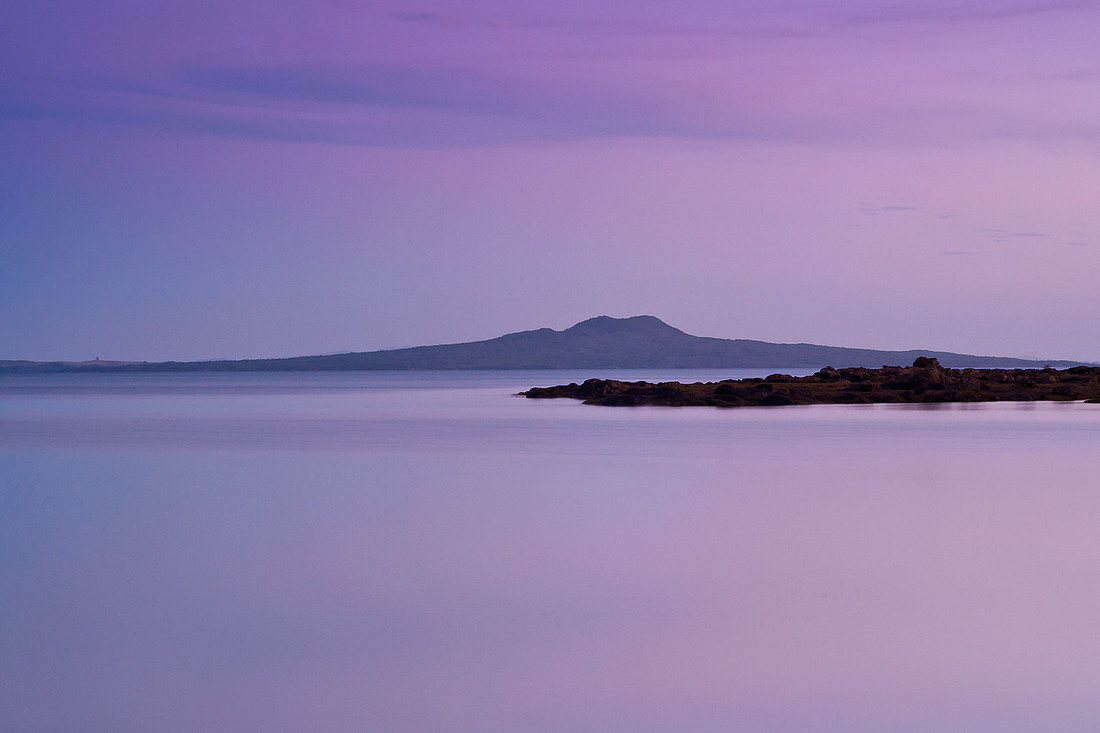
Waiake is one of the beaches in Torbay, which is part of the Hauraki Gulf. The actual tor, from which Torbay derives its name, is to the right of the picture. Rangitoto Island is on the horizon. This is also a 60 second exposure. I employed the Lee Big Stopper to smooth out the water motion. Not that there was much.
]]>There is doubtlessly, millions of photos already taken by tourists and accomplished photographers of the Forbidden City. Camera phones were in constant use around me. I opted for compositions I thought that would suit a 'vintage' type treatment in editing. So here's a selection of four pics, which I hope, depart from the 'typical' tourist snapshot. Also, well, the postcard type professional shot is hard to pull off when there are crowds of people and the air pollution is pressing.
]]>


(Click for larger version)
After arriving in Beijing on Monday, I decided to be a tourist for a bit. The weather, well, by Beijing standards, was pretty spectacular. A colleague had opted to give the Forbidden Palace a whirl, and I was willing to try it too. While I'd been on two previous occasions, I had a hankering for a good walk outside also. Being cooped up in a plane, or taxi, or airport, for hours on end is a bit aggravating.
This time I'd packed the Nex-5 camera over an SLR. It's light, its compact, and it fits the tourist persona well. It also has a useful panoramic function I hoped would be valuable. The shot above is taken in panoramic mode. It's just one part of the Forbidden Palace. I know the tourist post-card shots show the Forbidden Place typically with a blue sky, but, I suspect that is photoshopped in later. Beijing has some nice days. Clear blue skies are pretty rare though. I've never seen one...
As you can see, the site wasn't just popular with us. A lot of Chinese locals were also visiting. What I hope is that this view gives some sense of the immense scale of the palace.
]]>

This is a 5 minute (300 second) exposure of the Hauraki Gulf. The sun had already set so light conditions were already dim. I dragged the exposure out to 5 minutes by using a 6-stop ND filter. The only light hue left was this blue shade.
A light vignette has also been employed in the final edit to accentuate the central, lighter zone. You can see Rangitoto Island right on the horizon. I'm perched on the rocks, just above the surging waves.
]]>At least it's quiet. For a time, I can just sit, watch the waves (sometimes anxiously). It's a moment where you just sit and appreciate the view. While glancing at the stop watch. Waiting. Hoping I've got the exposure time right.
The lack of light also drains the scene of colours. This is why I opt for a black and white conversion. I'm hoping I can get four or five good shots (or keepers) before I run out of light. I ended up with two. Both were taken with the Sony a900 and the Minolta 20mm f2.8 RS. I'd brought along 4 lenses but in the end, the 20mm turned out to be ideal.
Both shots below were 300 seconds long, from slightly different perspectives. I avoided boosting the exposure too high to keep the late in the day feel.
]]>

Not being a complete idiot, I decided it was best to get some photos of the unusual swell before the rain and stronger winds arrived. The kit was a just 3 lenses, the Lee filters, the Induros tripod and the Sony a900 camera. At the very least, it would test the Induros tripod's ability to provide a stable platform under inimical conditions.
All shots are from Granny's Bay, in the Long Bay Regional Park in the very north of Auckland.
#1 The Swell (a900, 50/2.8mm)

#2 Pouring Waves (a900, 20mm f2.8)

#3 Turbulent Swells (a900, 20mm f2.8)

#4 Incoming (a900, 20mm f2.8)

#5 Raging Swell (a variant of the shot above, on a longer exposure- a900 with 20mm f2.8)

#6 The Gulf - a two tone conversion of a 25 second exposure, achieved with the Lee 10-stop 'Big Stopper'.

Feet got very wet- there were enough waves coming in hard and fast that my position would get soaked. The tripod though remained stable throughout (got to love those spiked feet and good design).
]]>
I ended up at the Paremoremo Scenic Reserve. Oddly, despite being within 10km of where I live, I hadn't been before. Paremoremo is also the site of a large prison. That part of the area is not very scenic. The weather was humid. Light showers were about. Fortunately finding the reserve was easy. I was the only one there. I guess everyone else was watching the cricket.
The track into the bush surprised me. There was rather more fallen trees to climb over than I expected. It didn't look like the track got a lot of regular use. There seemed to be a lot more clambering and crawling than I anticipated. The creek however, gave me the chance to try out some shots. I wasn't optimistic. At the end of summer most creeks and waterfalls have less water flowing through them. And summer tends to produce harsher light than I like. My main intent really was to just get outside and to scout out for scenes I could photograph later- when conditions were better.
Anyway, I ended up with three shots I liked.
The first used a 20mm lens to create an unusual perspective- and to also capture the ferns being reflected in the pool above this rivulet. Also spiked tripod feet are much better for this type of work.

The second I cropped into a panoramic view. I used my 50mm macro for this. I think it will be good to return when there is more water flowing and I can stitch together a proper panorama.

The third I used the Minolta 35-105mm- it fell short of what I was aiming to capture. I think it needs a higher volume of water flowing down the steps, and I need to find a different perspective.

So in the end, the scenery was better than I'd anticipated. And I finished the trip with the requisite sore muscles, sweat and wet feet and legs. A success :)
]]>
The latest falls I've explored are in the Omeru Reserve, up near Kaukapakapa. There's actually two main falls, but my best shots only came from the curtain one. The other trick here is to be very patient. In order to prevent too many highlight blow-outs in the water, I tried to time the shots for when cloud moved over the sun. You can't hurry that up. What I've discovered is I get see a lot of eels this way. If you are standing still and quiet for minutes at a time, eels feel free to frolic, slither and swim about. I think I've seen more eels in the wild this way than any oher casual approach.
If you're interested, the gear here was a Sony a900 FF camera, either the Sony 70-200/2.8G lens or the Minolta 28/2.0. I had an Induro CT314 carbon-fibre tripod, and a Manfrotto geared-head. Expsoures were slowed with a Lee 'Little-Stopper' (6-stops).
#1 My favourite in the end- might try a slightly higher vantage point next time. Taken with the 28/2.0

#2 A shot that uses the steps of the scene.

#3 Composed with using the foreground rocks as a stronger element

One thing I might add is that it would have been smarter to have screwed in the tripod leg-spikes for this trip. The rubber feet were a little impractical on wet, slippery rocks.
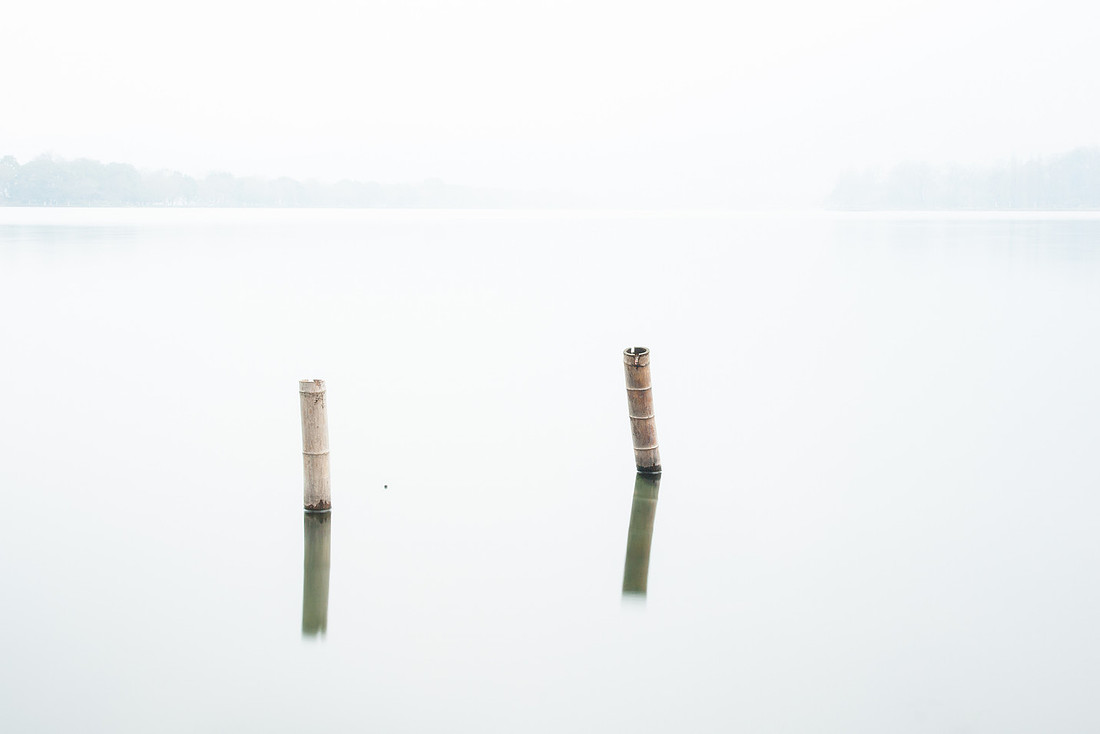
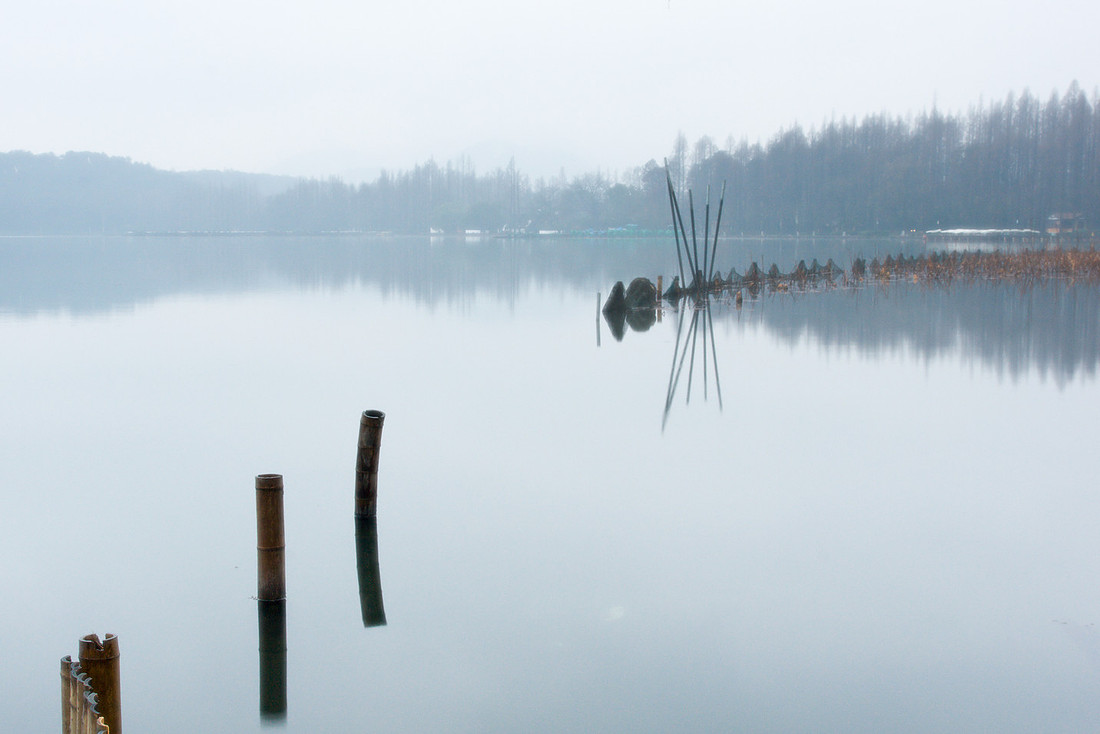
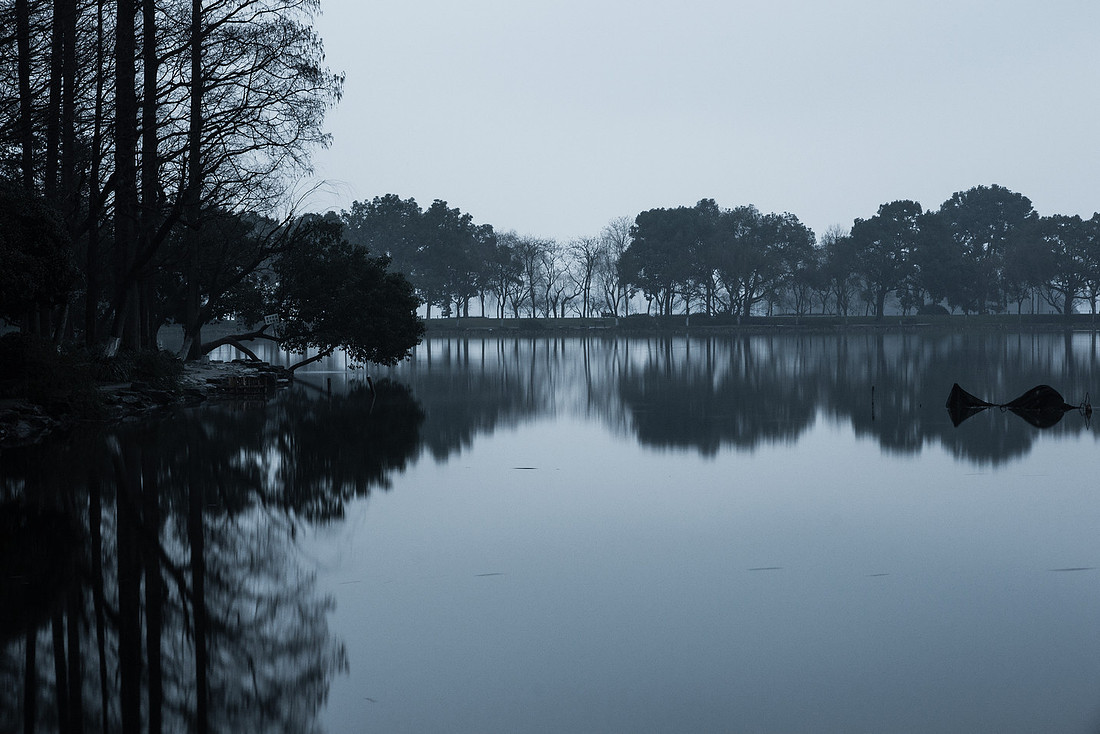
]]>I did venture out early in the morning a couple of times. By early I mean before breakfast time. Which also meant that most of the local Chinese were staying indoors where it was warm and dry. Fortunately I'd the right outdoor gear packed with me. So I got to play the role of crazy NZ tourist and get photos at a time when few others were about. In short, I was able to get photos of landscapes in a major China city and not have people in the shot. Avoiding people in the scene is not easy to achieve there.
The other advantage to China is it is relatively safe to carry camera gear openly. This trip was short so I travelled light. I packed my old a700, the ever reliable Carl-Zeiss 16-80mm f3.5-4.5 and a 50mm f/1.4. I also grabbed some Lee Filters (the 6-stop Little Stopper) and a small Manfrotto travel tripod. The scene was the West Lake in Hangzhou and this had smaller lakes and canals connecting to it. With it being winter and near freezing, I had the chance to use the early morning mist in the shots too.
The other surprising feature were local cats. These looked plump enough to be foraging food off the local visitors. But were deeply unhappy at near zero temperatures and light rain. I know this, because they were very keen to tell me about their unhappiness when I got close.
I'm including three photos. I really couldn't get a lot taken with the very short time frame. Hope you like them. All were taken with the Lee Little Stopper to take the shutter speed down to 20-30 seconds.
A Misty Morning
One the Lake
A Frozen Moment
]]>
Fortunately most of the time I had free to take some wildlife pics, was early in the morning or very late afternoon. We were in the workshop for the rest of the time (i.e. the hottest part of the day). So when I had time to take pics there was usually more animals around.
One common animal that visited the water hole were the impala deer. The first picture below is of several female impala with some zebras in the background. Click a picture to be taken to its original gallery.

The zebras also appreciated the water hole.

What the trip was all about- elephants. An elephant and her calf make the early evening trip to visit the waterhole. These were much warier of people.

The next two pictures are of the Marabou stork. This is possibly the ugliest bird I've seen. It is a scavenger and for that reason, has lost its head and neck feathers (like vultures). That also explains the dried, crusty bits on top of its head. Still, it was a lot less wary of people than the elephants.


Where there are large grazing animals, there are flies.

Warthogs were also common visitors to the waterhole.

They didn't mind sharing the water with the zebras.

So overall the area was quite diverse. There were a lot more birds about than I expected, and oddly, less insects and reptiles. If I had known what was about, I would've bargained hard for an extra day there.
]]>Anyway, some time among the wildlife was what I hoped to get. It would have been a painful experience to fly all the way to Kenya with what was still a substantial camera and not get anything. It's happened before on trips to other places. On the other hand the regret I'd have felt if I had gone all the way to Kenya and not been able to get some nice photos because I left the camera behind also tugged at me. So, the safari experience, as short as it was, was most welcome.
I've selected some of the shots to show here. The pictures have been taken at the end of the raining season. This is why the grass is still green.
First, perhaps the most photogenic hoofed animal in the area- the zebras
 Zebra and foalClick image to be taken to gallery
 The ItchClick to be taken to gallery
Another unusual sight were the rhinos. The conservancy has a small population of both the northern and southern white rhino. These are rare in East Africa after decades of poaching. The larger of the two had been dehorned in the past, but the horn had been growing back since. The bigger problem photography-wise, was we were parked close to these animals. It was not always easy getting the animals in the frame with a fixed focal-length lens.
 The LookClick to be taken to gallery
 The TankClick to be taken to gallery
On the other hand, we stayed at a distance from the buffalo
 WaryClick to be taken to gallery
Sadly neither the Oryx or antelope were very cooperative, so I only managed a couple of snapshots of them.


On the other hand the water bucks were more into posing


The lions were also determined to ignore us

The local birdlife was also impressive. We spotted many plovers, bustards and vultures. Photographing them was less straightforward.
I got a reasonably nice, if cropped, picture of a secretary bird atop a tree. I was concerned it would be so highlighted against the bright sky behind it I would get nothing.

The white-bellied bustards however, were more cooperative.


I think the range of shots captured here are a good sign of how well maintained the conservancy is. Overall I was pleased I gambled that the camera gear would be worth bringing.
]]>First up, the new Airbus A380. Very nice. For those of us destined to travel economy class, the marginally larger seat space is a welcome boon. I also discovered that noise-cancelling earplugs under noise-cancelling headphones to be very efficient. Given my mission was to sleep as much as possible, this worked out nicely.
The Dubai-Nairobi leg of the trip though was in an ancient Airbus 330. My seat was right up against the toilet wall. This meant not only could I not recline by the slightest smidgeon, the sound of flushing behind me was a regular interruption. Also I was prevented from stretching my legs under the seat in front of me. There was a raised object on the floor level attached to the wall. Also, during the flight, the passenger's seat in front of me malfunctioned and was stuck in a partially reclined position. The flight was also full. The cramped seating became even more cramped. I adopted a contortionist position for the next 5 hours. My opinion of Emirates was revised...
The arrival terminal at Nairobi burnt down a while ago, so they use a modified car-park building instead. A nurse frantically tried to measure everyone's temperature as they came through, to check for Ebola. I think she had about a 50% success rate. I dutifully filled out the 2-3 forms I needed to enter Kenya. I couldn't find anyone in customs who wanted them though, so once I'd got my visa, I was through. I ended up bringing all the forms back with me to NZ. This is a bit of a change from China. Kenya is also keen to get awarded one of the forthcoming summer Olympics. I think they might need to lift the rigour of their border-protection.
My theory that there is a rough correlation between a nation's GDP and the speed with which the baggage appears, received another data point. My checked-in bag appeared at a glacial pace. There were a lot of worried faces hanging around the carousel. And then it was off to the Hotel. The shower went on for quite some time. What was very cool though, was that this hotel bordered a national park. So you could drink cold beer and watch birds and other animals in comfort.
Next leg was a flight to Nanyuki and the Ol Pejata conservancy for the workshop. One of the advantages of the astonishing jet-lag was the ability to wake up before the sunrise. In fact, hours before the sunrise. So as part of the trip, I got a couple of shots of Mount Kenya I quite liked. I'm just going to lead in with these. On the 11th, there was a period of about 5-10 minutes before the sun appeared over the horizon, when the light was playing with the clouds in the sky.
I'd taken a travel tripod for the trip. It weighs a mere 800g and is of low value in strong winds, but here, it worked perfectly.
#1 Mount Kenya, a900 with Minolta 28/2.0
 Mount KenyaClick image to be taken to gallery
#2 Mount Kenya with Ibis in waterhole, a900 with Minolta 100/2.8
 Ibis by Mount KenyaClick image to be taken to gallery
Both pics have been uploaded to my "It's a beautiful world" album
]]>These pictures are a series I took at Aramoana. It was part of the trip to the University of Otago to present a seminar on the illegal trade in ivory. The next day we did a bit of an exploration. Fortunately the weather was decent also. This is not guaranteed in Dunedin. Nonetheless, at Aramoana on the coast the wind was so strong the terns were grounded. In fact, they all lined up directly to face the wind. These were all shots I took with my a900 and 70-200/2.8 lens.
#1 Terns in a row

#2 Talk Talk

#3 Welcome to the wind tunnel

#4 Meet the gang

The first scene was of the Waipunga Falls. This only needed a short stop on the Napier-Taupo Highway. I wasn't sure if I would be able to as the rain was frequent on the drive over.
#1 Waipunga Falls

The next shots were from within the Tangoio Scenic Reserve. The recent rain left the tracks soggy, making the hike a bit more challenging. Balancing camera gear while avoiding mud and slippery tracks is always fun. Hiking puttees are a useful thing to also have in your camera kit bag :)
The stream was swollen and had a good flow. I used my 20/2.8mm lens for these shots, along with the a Lee 6-stop "Little Stopper". The carbon-fibre tripod and geared head is also quite handy.
#2 Magic
 EnchantedTaken in the Tangoio Scenic Reserve. Click to go to gallery
#3 Secret world
 SerenityTaken in the Tangoio Scenic Reserve. Click to go to gallery
#4 The Pool
 The PoolClick to go to gallery
#5
 Green AvenueClick to go to gallery
]]>
It also turns out that setting up a tripod at the edge of the sea is a powerful lure for curious dogs. Deterring their interest is also part of the mix. I didn't have time to get many shots in the bag, but finished with these three. All were 10 second exposures.


On Saturday, I met up with V and we did some sight-seeing, and talked about research we wanted to do together. I'd like to do more research on crocodilians as they provide some excellent examples of conservation success.
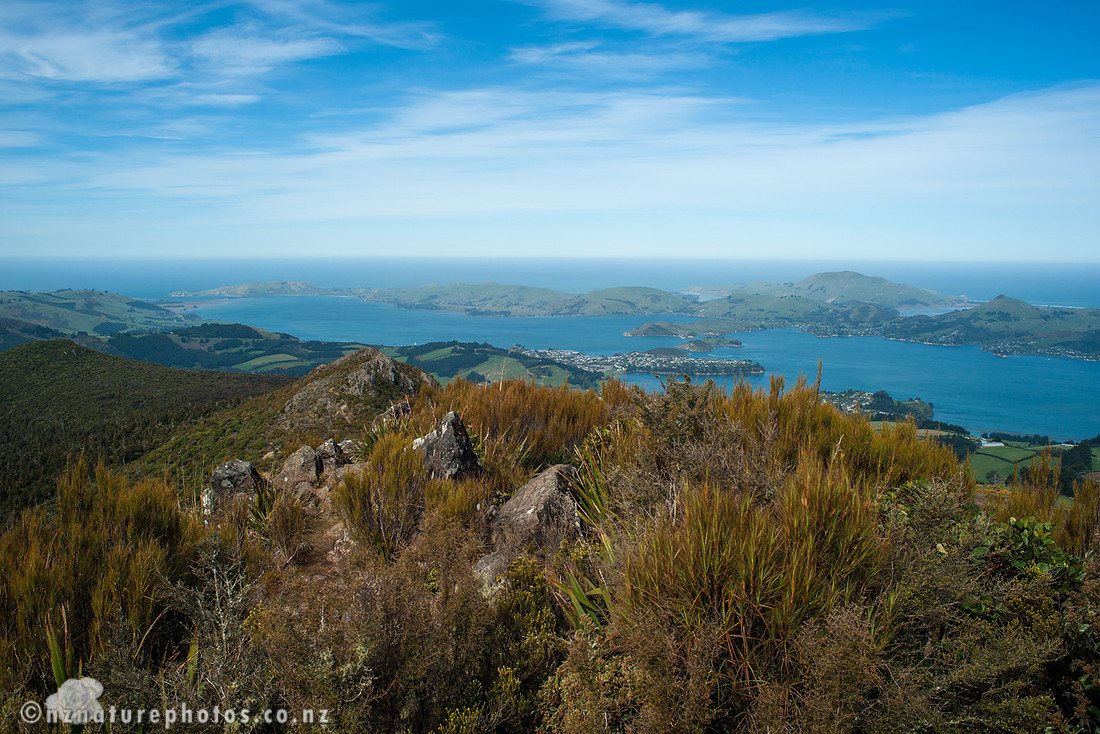
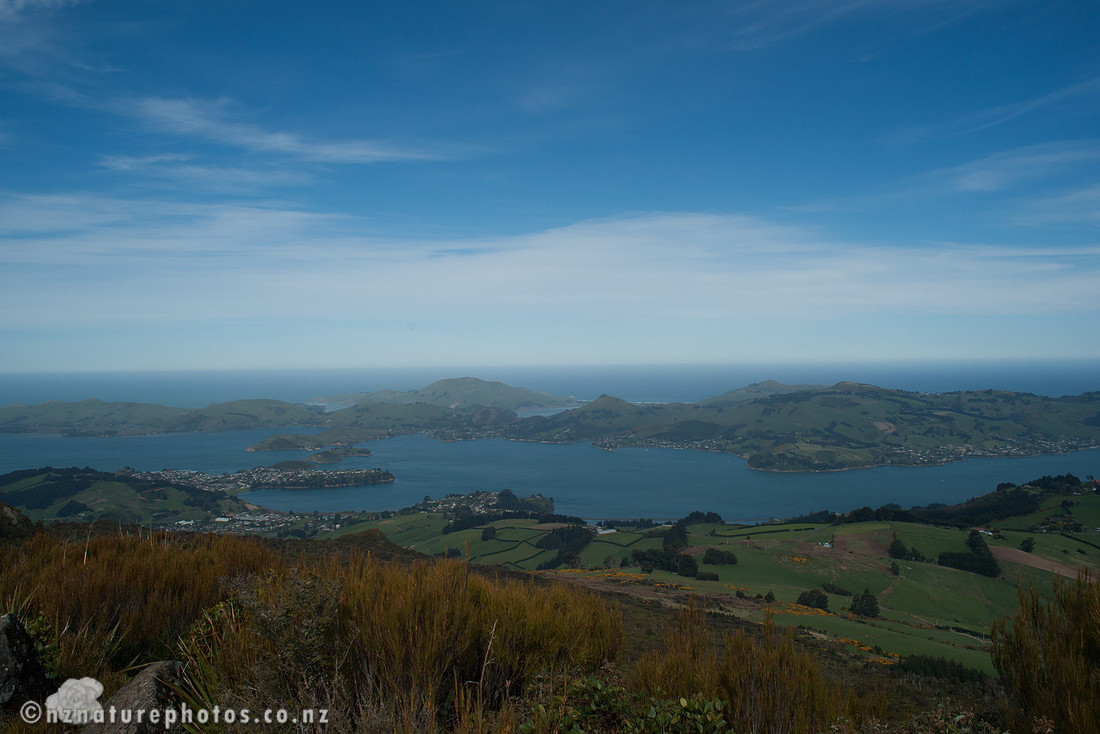
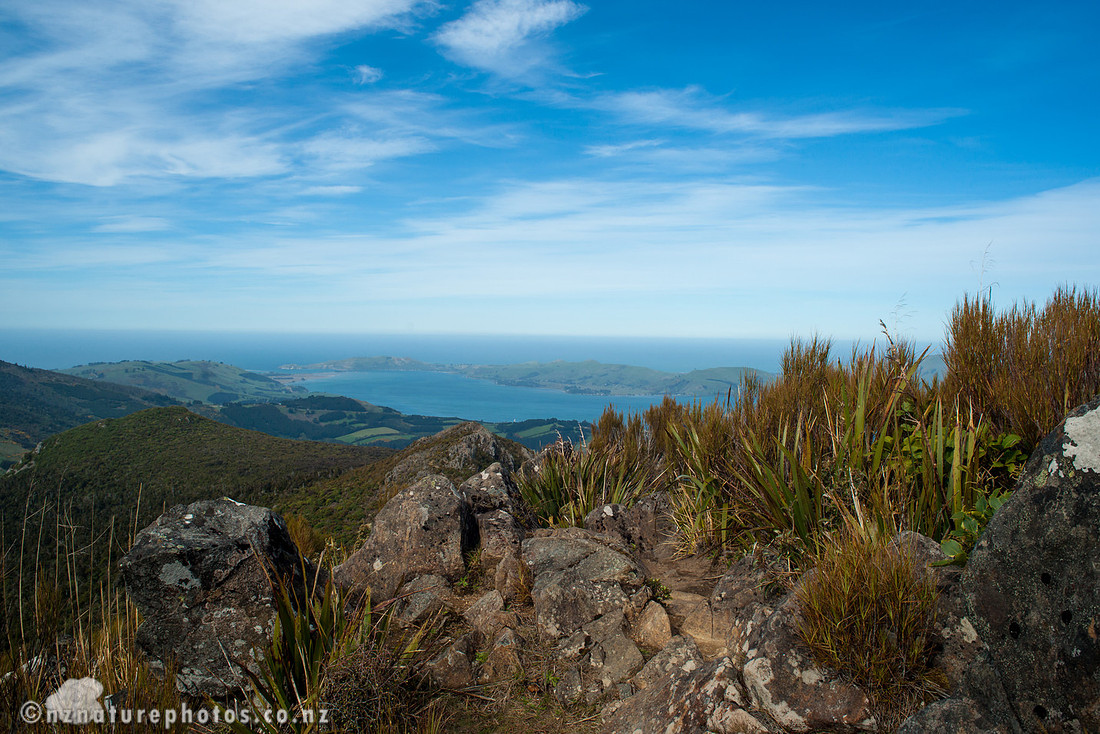
It was a perfect day in Dunedin (I'm from Auckland, the usual news we get from Dunedin is when they have atrocious weather). By the late afternoon we were up Mount Cargill or Kapukataumahaka. I had regret I didn't bring a tripod. Or at that stage, thicker trousers. The wind chill was not pleasant on the hiking trousers I'd been wearing through the day. Still, nothing could detract from the views. I recommend avoiding Signal Hill and going straight to Mount Cargill if you want these views.
Here's a sample of four pics of the Otago Peninsula. The area is ancient and of volcanic origin. All shots taken with a Sony a900 and Minolta 28/2.0 lens.

With one child safely deposited into the safe hands of the NZ Air Force, I had some time free to practice some flower photography. All shots taken here with my a900 and a Minolta 100/2.8 macro lens. This series is all of red tulips.
#1

#2

#3

#4

#5

#6

This series of photos all came from Beijing ICF. Just before the 1990 CITES ban, this factory employed 800 people, of which 650 were carvers. Prior to the 2008 CITES decision to allow a one-off sale of ivory to China (and Japan) the factory was down to 8 carvers. This factory so far is unusual because the carvers do nearly all the work. In other factories the carvers just carve the pieces, while specialised polishers finish the piece by, well, polishing it.
As is typical of many legal factories the output is with larger pieces. Most carvers do not produce small generic items like chopsticks or necklaces. New carvers were added in 2009 and none since. As the pictures show, a factory is not a large establishment. Production while aided with power tools now, is still artisanal. Pieces will often take months to complete.
#1 Interior - this scene is taken from some stairs, and captures all but two of the workstations. The number of workstations provides a check to the number of carvers employed.

#2 Senior Carver- large tusks are the exclusive preserve of very experienced carvers. If you make a mistake carving ivory, you cannot rub it out and start all over. The ink-code on the tusk indicates it is from Namibia and 9.65kg.

#3 Carver - carvers often specialise and stick to a narrow range of subjects.

#4 Desk- this gives a view of the equipment used.


This carver has made a clay figure first before starting on his piece.

Attention to detail

Production is still artisanal, but some modern comforts are still employed

A view of some of the equipment used

It can get dusty. Worked pieces will generate a lot of dust in the production process

Concentration and patience are necessary skills

Good lighting is also a prerequisite to making quality carvings

Faces are reputedly difficult to get exactly right. Some carvers will specialise in one gender and can baulk at attempting the opposite

Another senior carver. There were four of these in the factory. Most had started their careers in the 1970s.

The detail work applied to large tusks can take a long time to complete. Some tusks take a year to finish.

One of the carvers was on maternity leave

Close up of the Namibian tusk. There is much left to be done.

Close up of the equipment. Carving in fact, requires a lot of drilling

]]>
By the late afternoon, I saw I had a chance, and tossed my camera gear together quickly. That was the first mistake. I left behind the mounting plate for the tripod (oops, no long exposures). And also no spare batteries.
I'm aiming to develop some of my tree photography. I think the issue is, that copying the tree photos of the northern hemisphere isn't going to work. Our trees are more subtropical and less temperate. The forests here are also quite dark when you're under the tree canopy.
Nonetheless, there's a certain organic and free-form nature to some of our trees I thought would make a good subject. I started with some puriri trees.


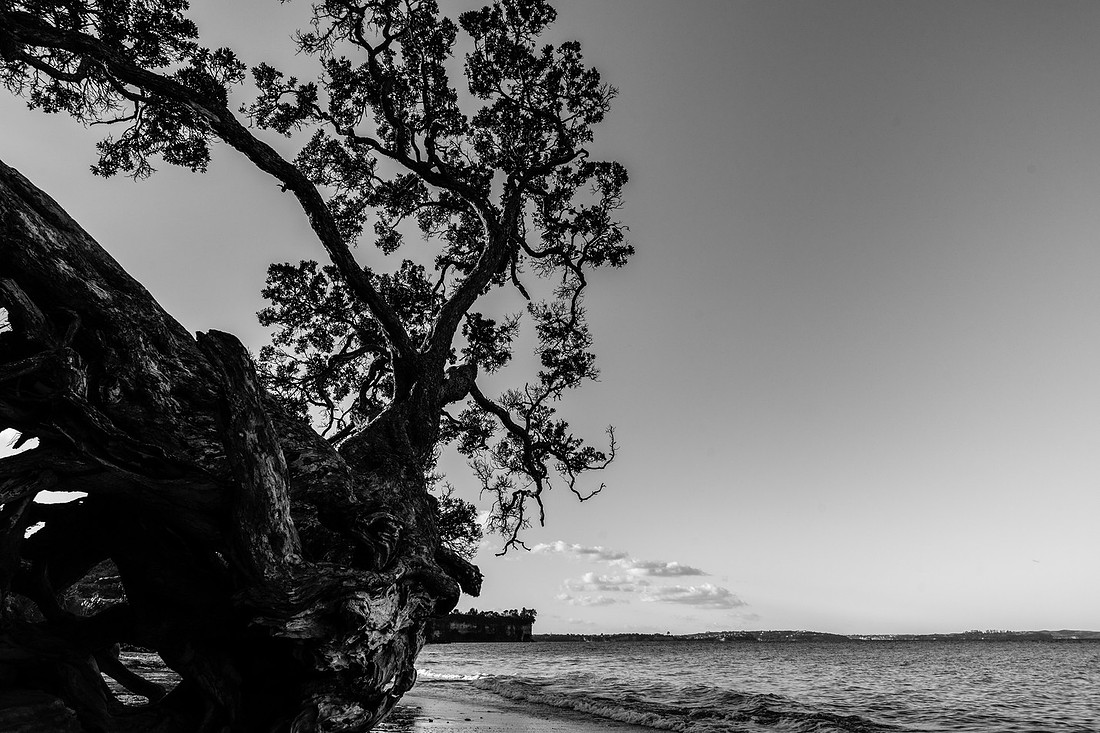
The it was down to one of the local beaches- Granny's Bay. There's a Pohutakawa tree I photograph from time to time. Originally, I had hoped to mix it up with some ND filters to soften the sea, but without a tripod, well, I had to get creative another way. So in this case, I saw something I hoped would suit a black-and-white conversion. It was a matter of using the setting sun to the left. I thought this was one of the more successful shots of the trip.
I spurned the local snail population- and the curious neighbourhood cats- in favour of something more creepy-crawly. Fortunately a male Cambridgea foliata obliged. For these shots I'm under the spider, looking up at it.
 Fortunately they're a relatively large species. For the second shot I adjusted the lighting from the flashes, and tried to get a close up of the carapace.

Sadly no more attempts were possible. I knocked one of the myriad of warning threads these spiders have in the dark, and it dashed for safety.
]]>
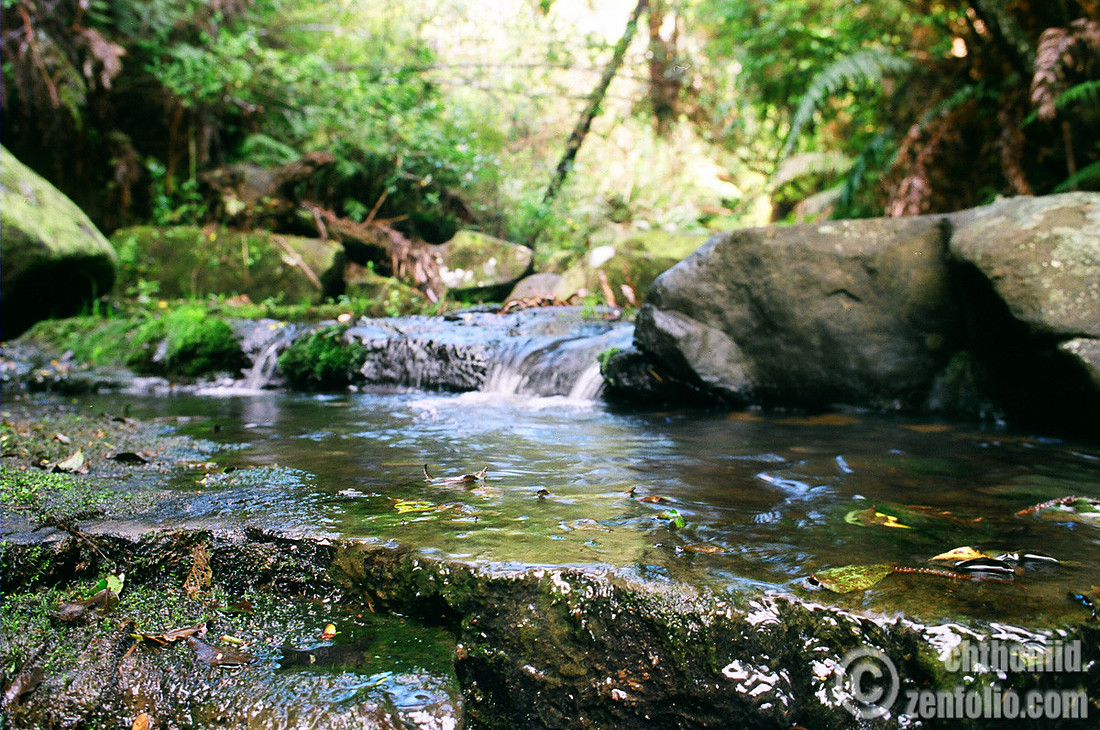
The first subjects I tried were of the stream in the Pohuehue Reserve, which lies between Warkworth and Orewa. I think one of the advantages of film is that it still has a wider dynamic range than digital. So there's less risk of the highlights blwoing out.
So we'll start with a couple of shots from there.
#1 Rivelet
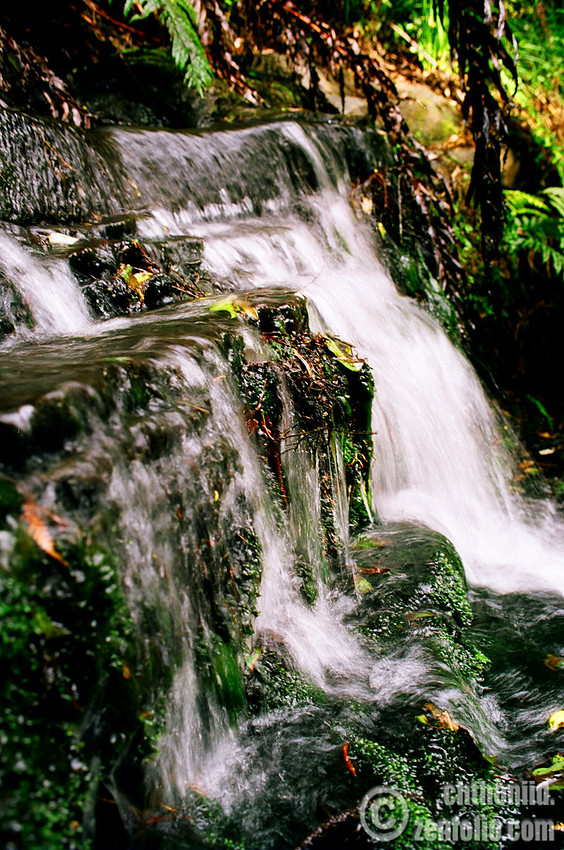
This second shot looked much better than digital version. The bright sunlight streaming in at the rear of the scene threw out my DSLR's attempt to capture the scene.
#2 On the edge
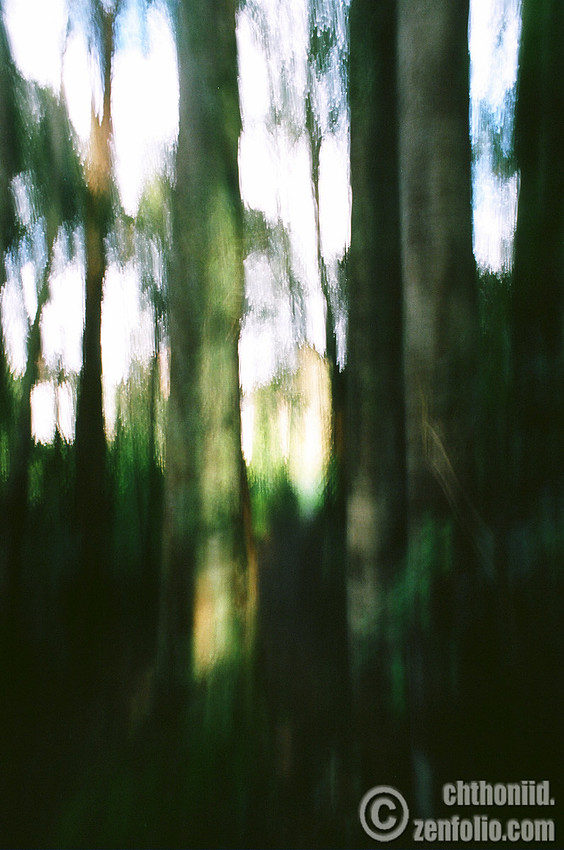
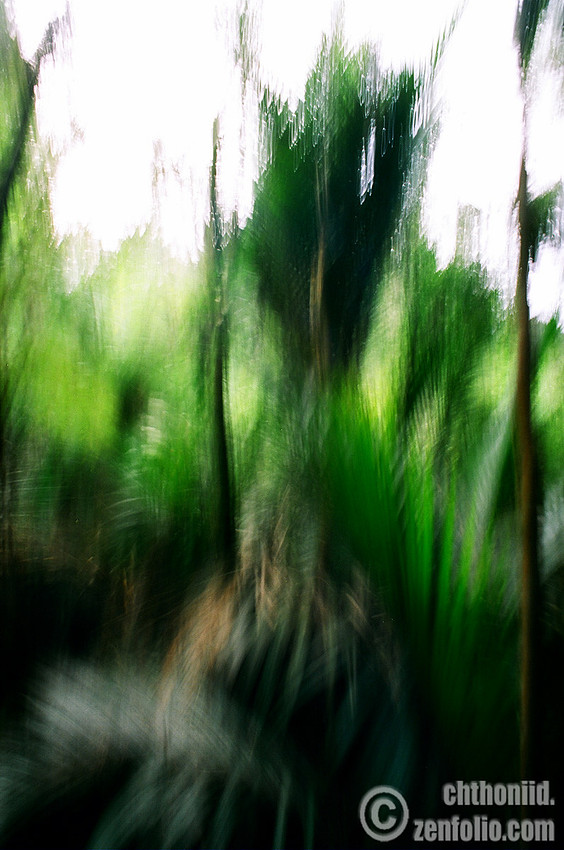
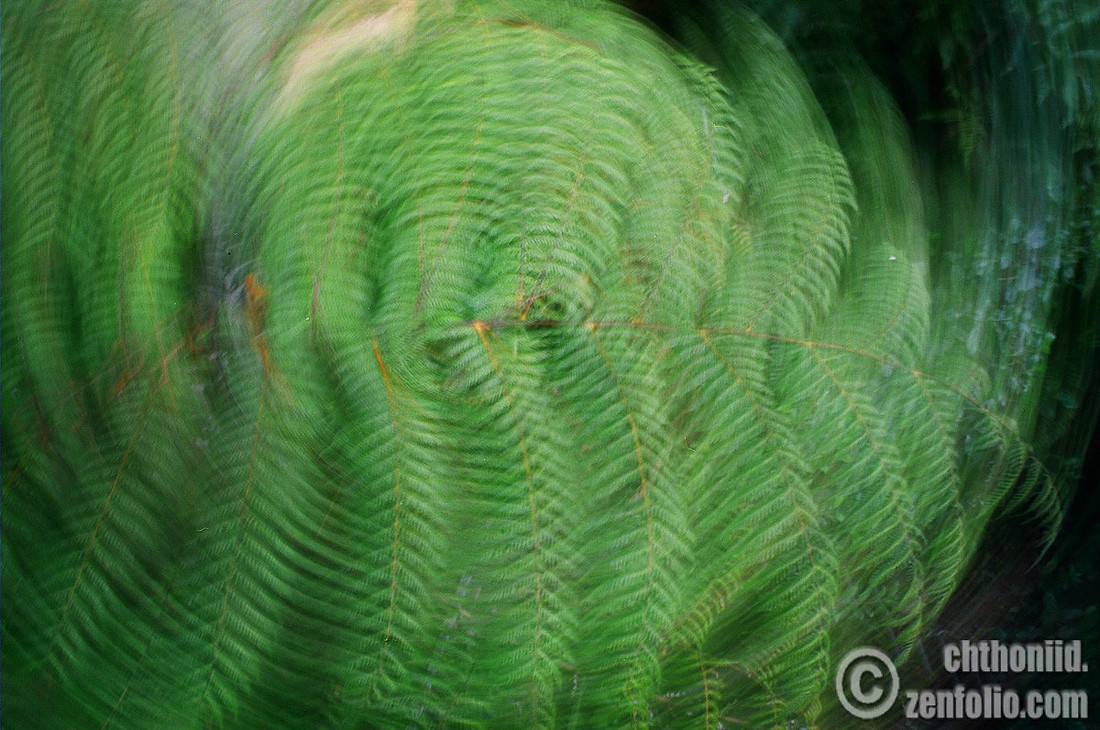
I then tried some 'painting with film'. In these shots, rather than keeping the camera solid, I've tried a long exposure to create a more impressionistic scene by moving the camera up and down to mimic brush strokes.
#3 Native Trees
#4 Nikau Palms
And finally
#5 Fern Spin
So, after a few forays out, I'm afraid it is harder to keep up the shooting with film. While it remains the best medium for a film look and the dynamic range is superb, a number of problems persist. The lighting is critical. The difference between a good shot and a so-so is much more sensitive to light. You can't adjust white balances or contrasts or the like later. If lighting is good, the shots will turn out great. If its poor- as more foray to Waterfall Gully was- the shots become duller, faster.
There's also issue of having the ISO fixed. You're destined to shoot at the set ISO, and for film, that's usually low. That means a lot of shots can't be attempted. You can get a shot with a DSLR when you can't with film. And for long exposures, it's very tricky. You don't get any opportunity to review the exposure, so the guess and hope factor becomes higher.
]]>It was also a chance to put my new Lee filters to the test.
The waterfall looked better than in summer months. It's nothing I guess, that anyone will put on a postcard. But the setting in the native forest still appeals to me.
In the first shot, I'm using the a900 with the 20/2.8 Minolta lens. The goal is to use the curve of that ventral bank to lead into the fall.

In the second shot, I'm getting all of the fall in the same shot. Same lens as before.

If you would like a close up of the top of the fall
 Then I went further into the short bush. One thing I'm struggling with is how to photograph NZ bush that still has the elements of a good photo. The wall of dense vegetation tends to rule out isolating tree pictures, and often leaves little in the way of leading lines. On the other hand, a stream might stand in.
This required liberal use of an ND grad filter to balance the bright light at the canopy level with the shade at the bottom. I'm employing the very useful Minolta 28/2.0 lens here.

And just a stream pic to finish the hike off

One of the monitoring mechanism for African Elephants is PIKE. This uses several indicator-sites through African range states to estimate the poaching rates of elephants. Elephant populations have an intrinsic growth rate of around 5%. hence, in general terms, this means if poaching rates are below 5% then this is sustainable. Elephant populations will still increase (assuming habitat isn’t lost). This doesn’t mean that the increase will be uniform. One of the pressing issues with elephant poaching is that it is unsustainable in some regions. For most of the last two decades however, the increases in Southern and Eastern African range states have exceeded the losses in Central and Northern African range states.
The latest PIKE data shows that the estimated poaching rates peaked in 2011. They have actually been in decline since then. They have not dropped below unsustainable levels as yet, but the track is encouraging. I’ve added Figure 2 from the report below.

The vertical axis is the poaching rate, with the 5% line shown in red. The 95% confidence intervals are shown at the top of each bar, in the bar graph. This shows that the decline seems to have set in.
I think there are some grounds for optimism. The first is that over 40 tons of raw ivory were intercepted in 2013. That has to hurt the bad guys. That is a sizable chunk of their trade that they have lost. A business model where you are bleeding millions of dollars of stock to law enforcement has got to be causing pain. So there may be a reduction in traffic as the bad guys try to work what to do next.
The second is, I think the evidence supports a stockpiling explanation for the poaching increase. It is a mistake to think of ivory as primarily a consumption-good. It is an investment good. The bad guys have been stocking up big, probably because a lot is on offer from Central African range states and the means to get it out (low shipping costs) have coincided. The thing is, this won’t continue indefinitely. If there’s an optimal size for this stockpile (for economic reasons) then once the bad guys have got it, they won’t want to keep adding at the same rate. If you’re sitting on a pile of tusks that could last you maybe 15-20 years, adding more to go to 25, or 30, is starting to look costly (and risky). Their appetite for ivory one hopes, should be sated.
It’s going to be premature to bring out the champagne glasses just yet, but we may yet dodge the dire predictions.
]]>
Fortunately, one of the things that thrives in wet conditions, is fungi. So between showers on Sunday went out and tried my hand at it. The gear is the a900, a Minolta 100/2.8mm macro lens, and the Sony twin-macro flash. The flash has these convenient extending arms. These allow for more precise placement of the light. With the wet, reflective surfaces of the fungi I also went with the flash diffuers to soften the light.
It's a subject I'm dabbling with, and here are some of the fungi you can see in the NZ bush at the moment.
"One"

"Lots"

"Like Rubber"

"Natural Vase"

Anyway, the sun shone, the sky was clear and blue, and the slight chill made for good shots. Crossing the harbour bridge brought up one of those vistas of the Auckland harbour and skyline that never fails to impress.
While most of my pictures were taken with my Dynax 7 (a film camera, so no pics to show yet), I wanted to take some shots that would suit an 'antique' post-processing style. So this is about trying to imagine what the shots would look like after they're transformed.
I found two scenes that worked for me
#1 Urn in a Pond

#2 Withered Vines

The last is an older shot from Okarito.
#3 Weathered Boat Shed

This is part of the charm of digital photography I think. The scope for creativity is improving. And by that, I don't mean just slapping some filters on a snapshot, but taking pictures of scenes that are designed to be transformed beforehand. The ease and speed is much improved over film. Despite that, finding a good composition remains the same challenge as always.
]]>
In the film era, camera companies tended to produce lenses with slightly different characteristics. For Minolta, the thing that made their lenses stand out was the colours. They had a colour fidelity and richness that appealed. If you ever hear some photographer talking about 'Minolta colours', that's what they mean. I'm finding as I do more landscape photogaphy, this is what appeals to me.
As an indication of the lead Minolta built up in the 1980s, they had the first auto-focus 100mm macro lens. This was such a superb design, the modern Sony lens equivalent has made only minor changes to it. I acquired the RS version yesterday (this model went out of production in 1993). I wanted to see how it lasted, so gave it a try with my a900 last night.
These two spider shots are all done in manual mode. I've selected both the exposure (shutter speed, aperture) and the flash setting for my twin flash. The first spider I saw was a juvenile nursery-web spider- Dolemedes minor. It was on some pruned back flax.

The second was the nervous and wary Cambridgea sheetweb spider. By this time one of the local cats had come to help me. Despite this not being fully mature, I didn't need to crop this pic at all.

Well, the good news is that the lens is in near perfect order. Despite its age and who knows, how many owners, this has survived nicely.
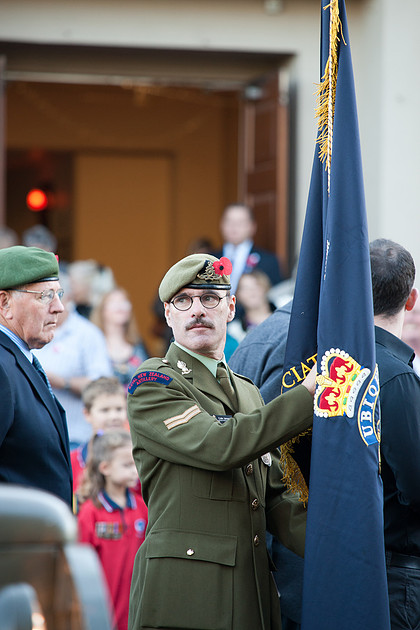
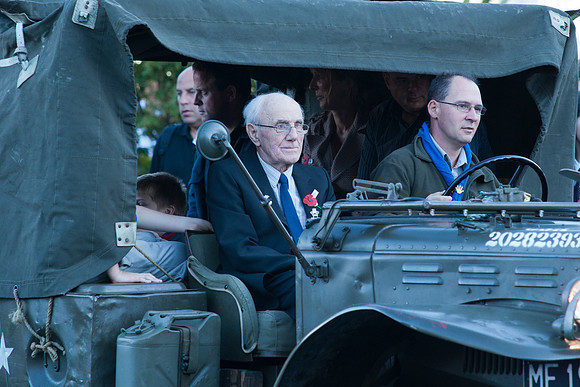
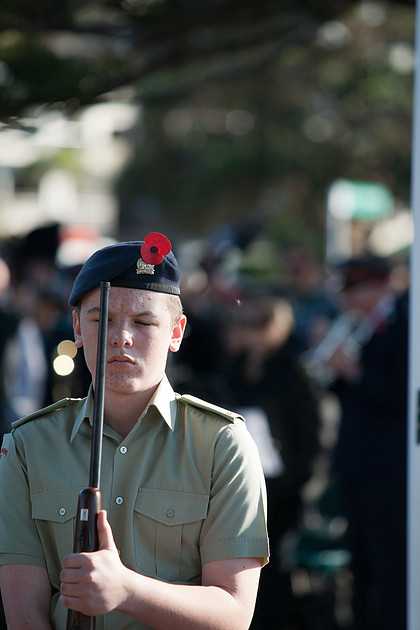
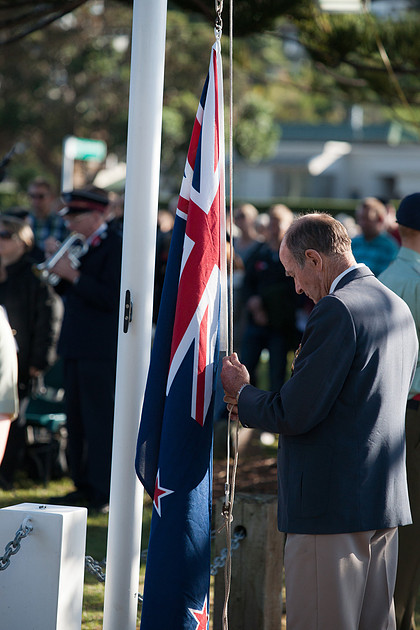
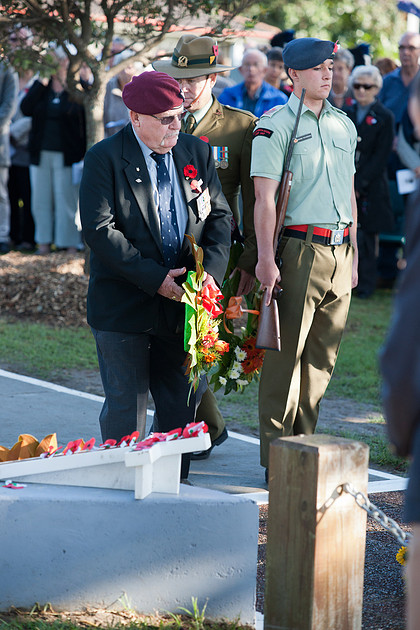
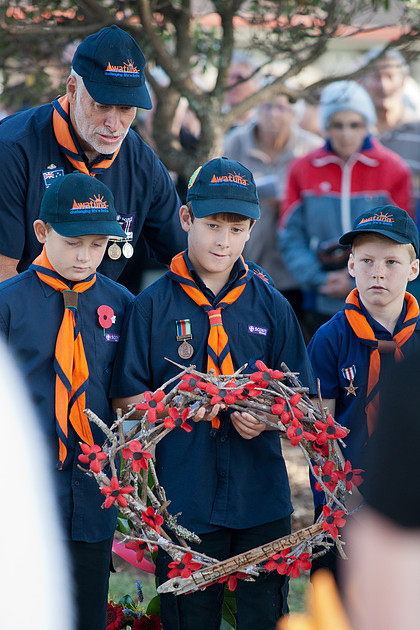
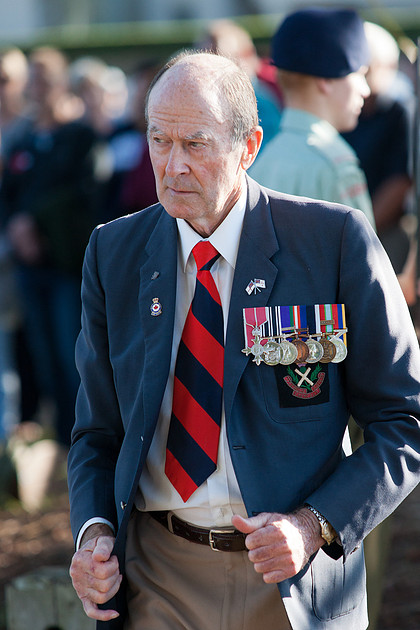
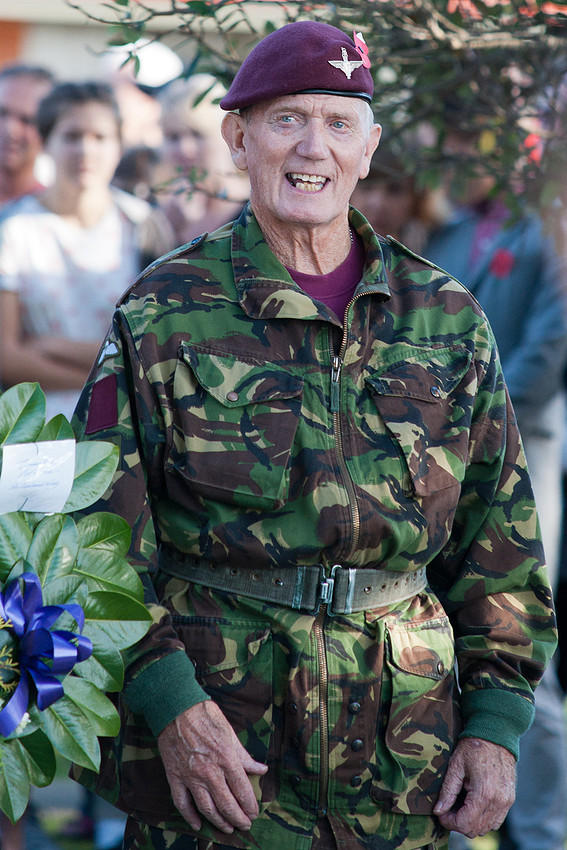
]]>It's not a time for constant photography, or watching the event through the viewfinder. So I mostly stood, listening to the service. What I've tried to do is get a very small number of shots that depicted the event.
#1 Flagbearer at the start of the parade
#2 Getting a lift- not all are able to march in the parade anymore
#3 The Last Post- this is the most evocative from this morning. I was focusing on the bugler to the right of the picture (he can be seen very defocused there still) but as the notes from the Last Post played, I noticed the face and emotions on the young guard. I switched over to focus on him
#4 Veteran lowering flag
#5 Veteran laying Wreath
#6 The young laying wreath
#7 Veteran with medals
#8 Veteran in Uniform
]]>
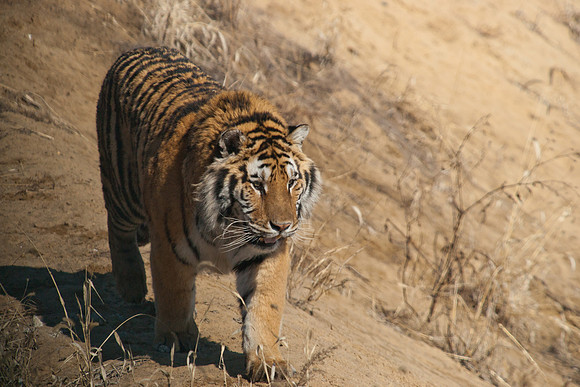
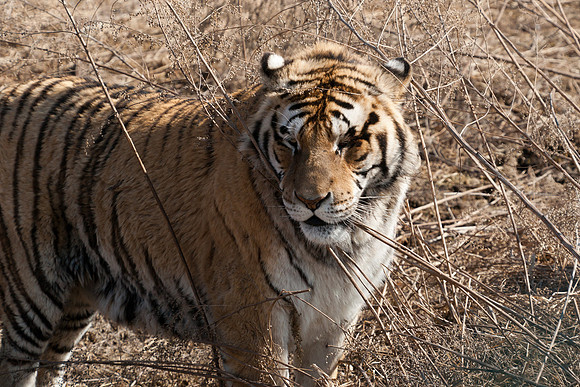
They seem to be enjoying the thaw and the sunshine.
]]>
These are some shots I tried to get to capture some of that industrial, gritty feel. These were all taken with a Sony a900 camera and a 70-200/2.8 G lens. We're in the general area of the Beijing Forestry University.
#1- The Tank
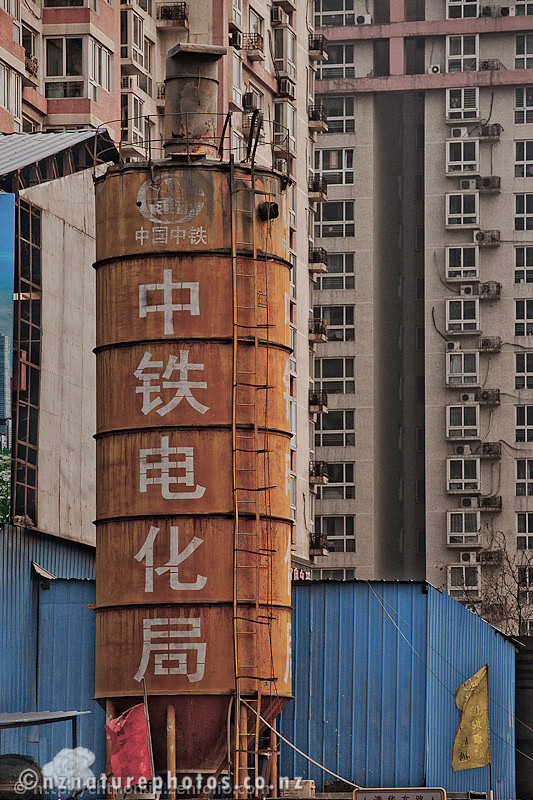
#2 The Crane
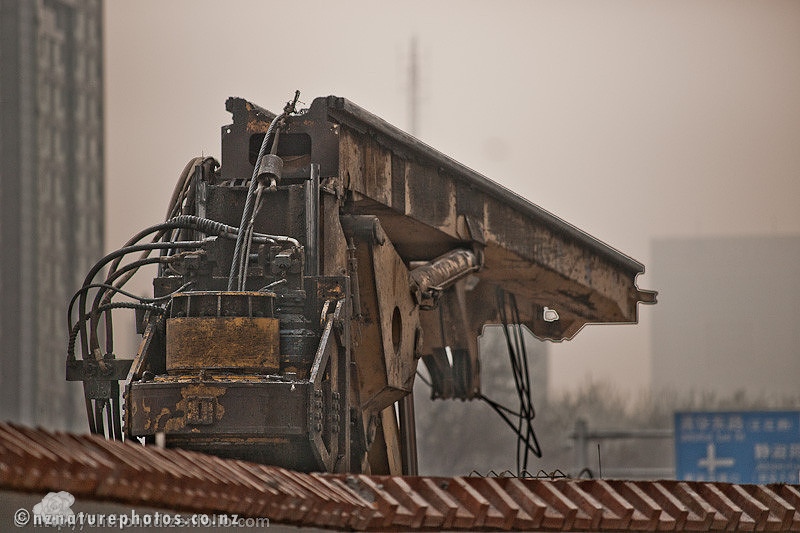
#3 Road Sign
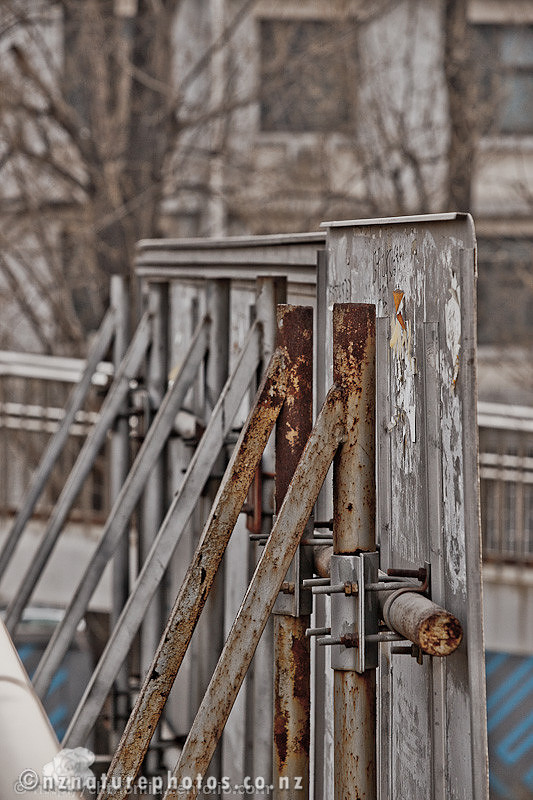
#4- Impromptu Rubbish Bin
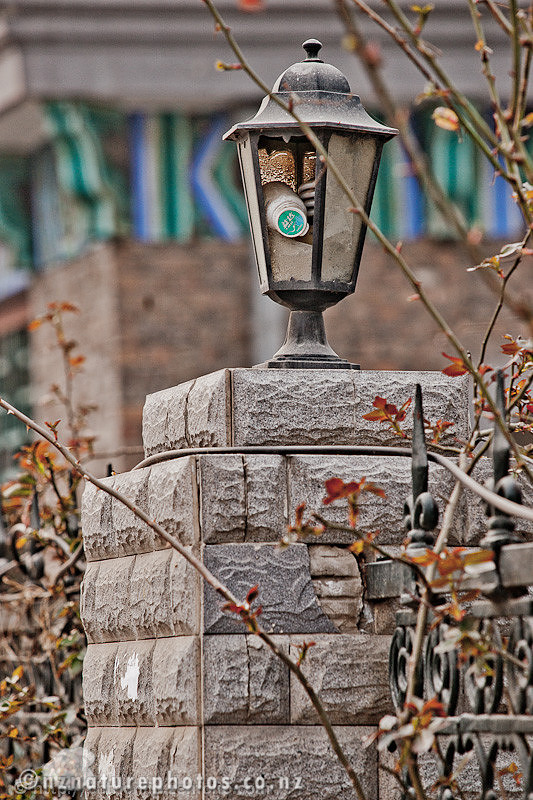
These pics show the effect of this pollution. You're not seeing mist or cloud here. That's fine particulates and emissions.
"Lost Skyline"

"Above the Road"

Shooting into the sun is usually not recommended. But I wanted a shot to show how much light the pollution was absorbing. And to emphasise the scene wasn't a product of shooting later in the evening.

The colloquial term for the coughing that's endemic in Beijing is the "Beijing Ke"- literally, the Beijing cough. It's often cured by leaving Beijing.

"Situation normal" - this just seemed poignant at the time.

I'm glad to be back in NZ. I only lasted an hour out there.
]]>I've got a couple of shots of the 'green' species kihikihi wawa Amphipsalta zealandica here.
1. "The Singer" - the wings are blurred as it vibrates the sound.

2. "The Embrace" - the female is clinging to the grass stalk, while the male is err, clinging to the female :)

Both shots are from my "Small beasties" album.
]]>- The USA has been contemplating a ban (or moratorium) on the domestic sale of ivory items. This would mean even antiques and other pre-ban items could no longer be sold. This now looks almost certain. I’d expect an announcement soon.
- From the South China Morning Post, an Op-Ed written by Daniel Stiles and myself, arguing that the recent ivory crushes are a gamble that could play into the hands of the criminal organisations stocking ivory.
- Following recent destruction, anecdotal evidence that ivory prices have risen, reported in the Telegraph.
- Operation Cobra II was concluded in coordination with African, Asian and North American law enforcment agencies. In the haul was 36 rhino horns and 3000kg of ivory. There have been 400 arrests of people in Asia and Africa.

]]>
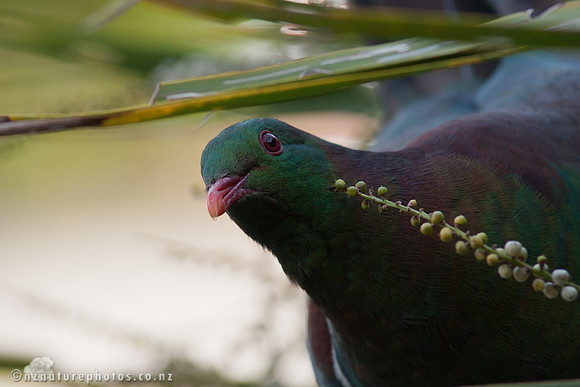
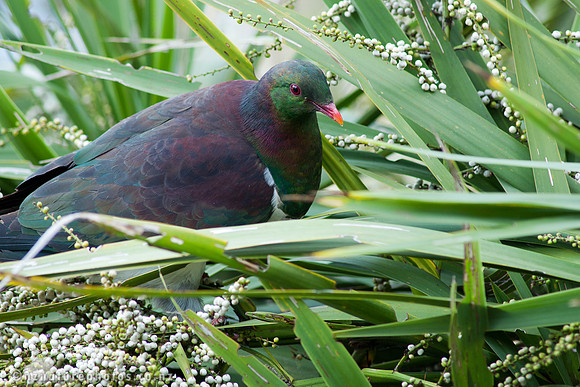
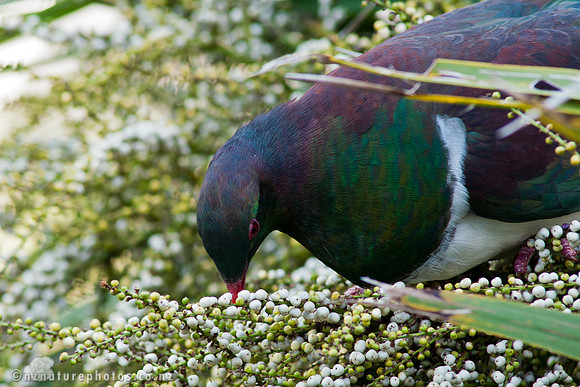
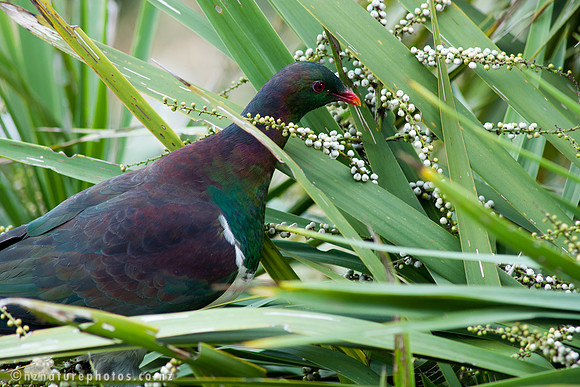
The main challenges to photographing keruru is they like living up in the tree canopy. If your goal is to take lots of photos of pigeon-backsides, as you look upwards into the branches, you'll be very happy. To get photos of the bird acting naturally means finding a way to get both close and high.
I managed that this weekend, finding a position that got me right next to the ripe fruit of a cabbage-tree (or Cordyline). There's a few shots to go through, and the canopy issue still means having to shot at a low shutter speed, but I got a few keepers. These shots were taken with a 300mm prime, and I've been close enough not to need to crop. Enjoy :)
I took a different tack therefore, with shots I thought would be interesting with the overcast conditions. The first is of a thermal pool, framed by the rocks in the foreground and vegetation in the rear. The second is of a stream in the area, wreathed in steam. These photos are in my "It's a beautiful world" album


The final shot I thought merited a black-and-white conversion. This is also in my "Colour Free" album.

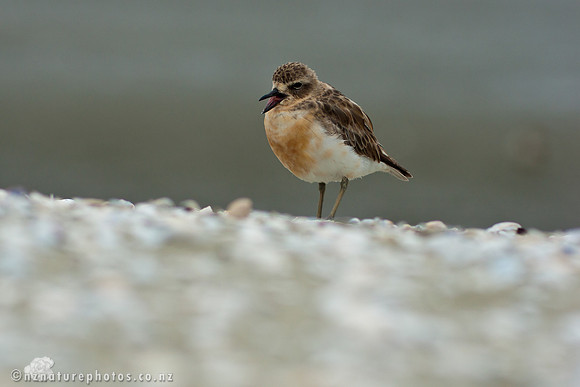
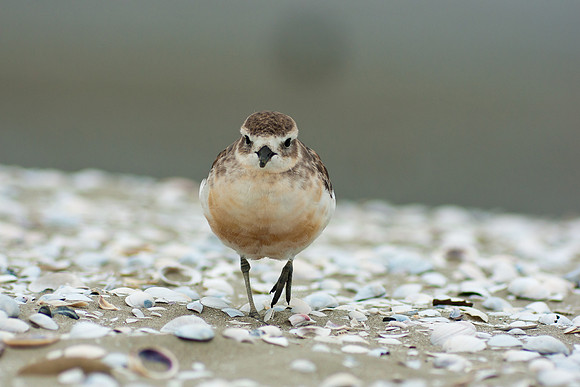
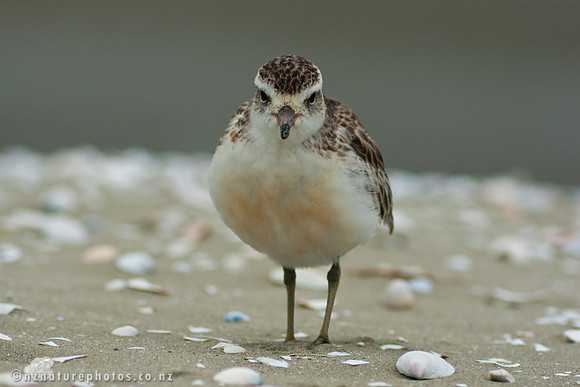
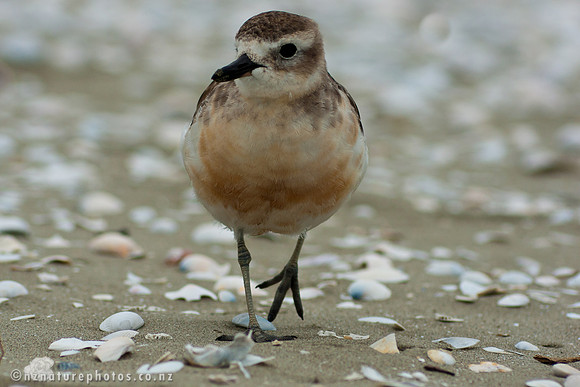
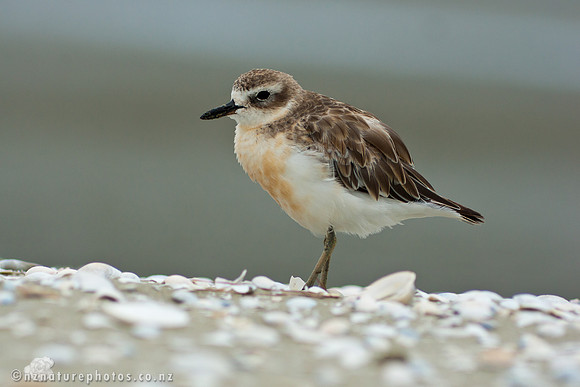
Close to where I live is the Okura reserve and there is an isolated sweep of beach (near the old Dancre cottage) that has a small population. Some days I've hiked out there with one of my sons and we've just sat, watching them through binoculars. I have for sometime, been trying to get some good pictures of them as well. Open beach is not easy to get close to birds with, and avoid startling or scaring them.
Last week I succeeded with a bit of planning and a bit of luck. One the planning side, I dressed carefully in stone or khaki clothing to blend into the beach. A stone-coloured brimmed hat finished the look, and I eschewed sunglasses. There would be no dark areas on my body or outline. There was also a large log washed up on the beach I could conceal myself behind by laying beside it. I had about an hour there, able to watch and take pictures. For the first time I ended up with a series that didn't require cropping. In fact, the birds seemed curious about the shutter sound and came closer than I expected. Here's a sample:
]]>
Pseudoscorpions are an order of arachnids that are widely distributed. As an order, they are on par with spiders or scorpions or harvestmen. Despite being even more widely distributed than scorpions, most people are not aware of them. The reason is simple. These arachnids are tiny and cryptic. They dislike the light and move away from it. They're usually very small. Most are much less than 2mm long.

They have a number of appealing traits however. The female feeds nymphs a nourishing liquid. They also have small silk glands, which in some families are used to make little domes to protect the female and her nymphs. Despite their pincers and segmented body, they're not a descendant of scorpions. Their poison apparatus is on a tiny tooth, on one of the fingers of their claw. It's pretty lethal if you're a mm long and have 6 legs.
To get these pics I waited for the pseudoscorpion to detach herself. To boost the magnification (the arachnid here is about 2mm long) I attached a 24x Raynox microscope adapter. Then my macro flash (the two small heads of this are much easier to work up close than a ringflash) was attached to boost the shutter speed. I had hoped I could get some shots hand-holding the camera but this was impossible. The depth-of-field was critically narrow and for a moving subject, impossible. So it was then on to the tripod (and thankfully, the geared head).
Even with the 24x magnifier I still couldn't see the edge of the carapace so a bit of guesswork was involved. At least with the arachnid being blind, I didn't have to worry about getting the eyes in focus. They have a number of long, sensitive seta (trichobothria) on their claws that are used to locate prey.
Bear in mind with these pics, almost all the detail shown here is invisible to the naked eye.


]]>
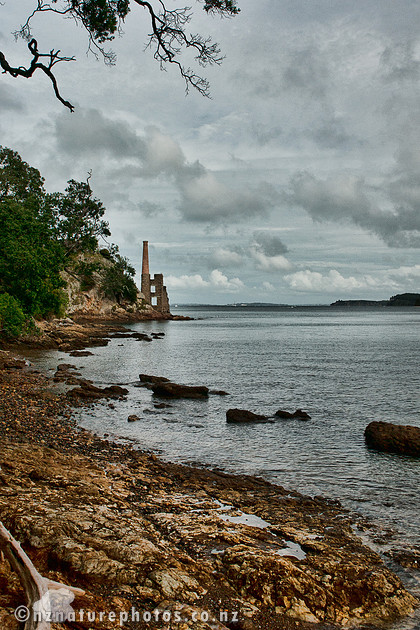
The following photos are the relics of New Zealand's past. I've tended to use a black-and-white approach.
The first two pics are of the Copper-mine chimney on Kawau Island.
"The Ruin"
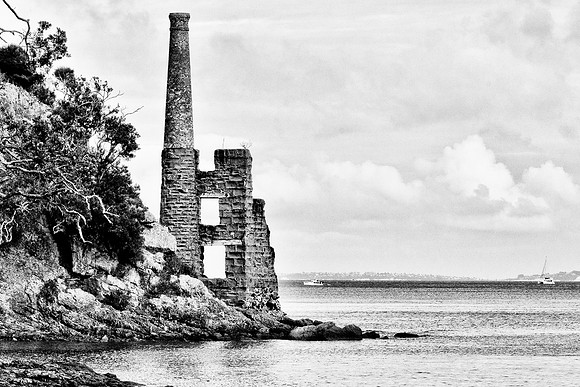
"To the Ruin"
The next pic is from the Denniston Mine on the West Coast of NZ.
"Abandoned"
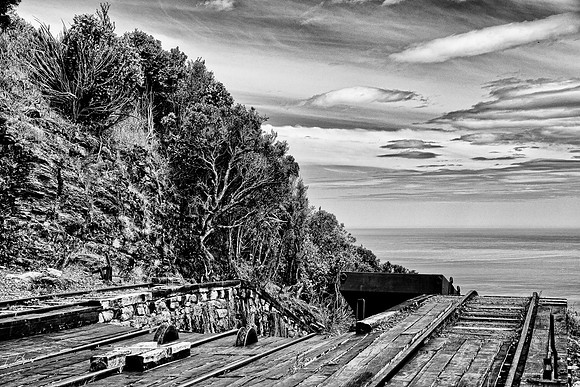
I really liked this one. You're looking out towards the Tasman sea, which gives a sense of the dramatic incline of the cable system. The harshness of the environment is also apparent.
All shots were taken with a Sony a700.
Original photos are in the "Natural Goodness" and "Colour-free" albums
]]>
The first shot is a skyline of Auckland from Waiheke Island around dusk. I've had to use a 300mm lens to focus on the city. It's actually a bit of a way off. That early evening however, had a lot of appeal. It's a distinctive shot of a scene I've not seen replicated in years.
#1 Red Auckland

The next shot is of one of those gorgeous little bays on Waiheke Island. We spent a lot of time kayaking or swimming there.
#2 Summer

The next shot has a kind of texture I felt suited a back and white treatment. It's a coastal Manuka tree that's suffered a bit of exposure of the years.

All shots are also in my 'Natural Goodness' album.
Hope you enjoyed the scenes :)
]]>Anyway, something wild and furious from NZ.


Both shots are in the photo album "Natural Goodness"
]]>
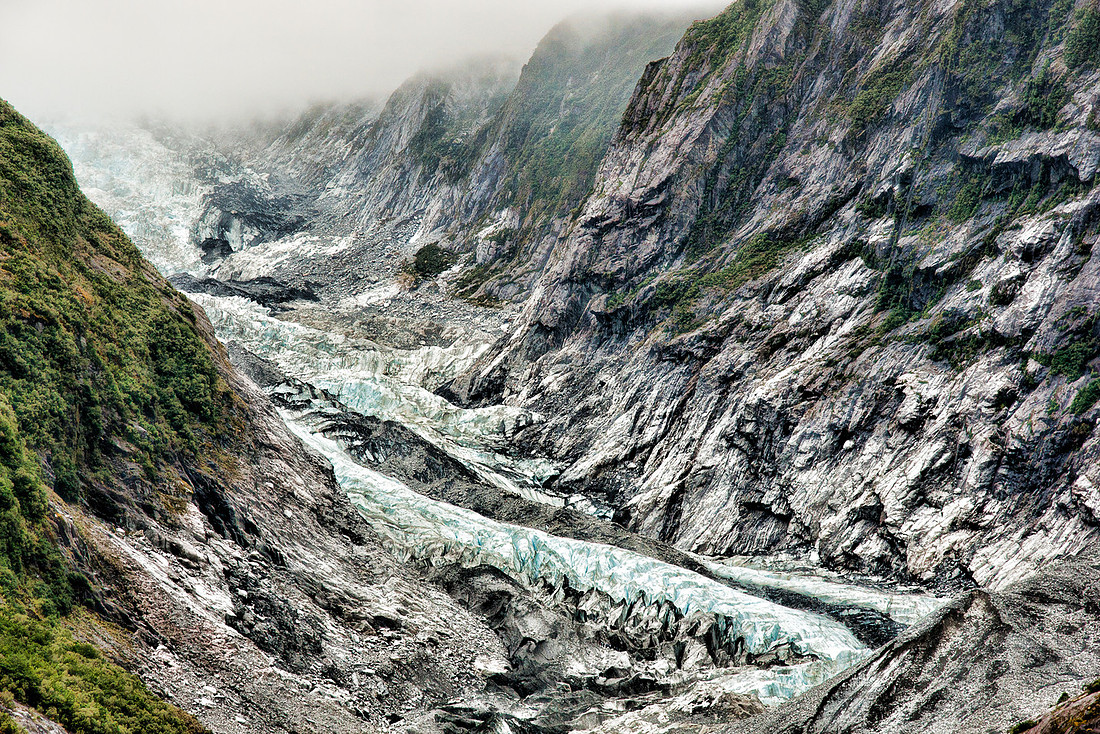
A case in point was our expedition to the West Coast last summer. I envisaged lovely summer weather, sunshine and glorious pictures of the Fox Glacier and the like. Instead it rained, a lot. We got hit with floods in Golden Bay. We seemed to be under a near constant rain cloud that whole trip. Ok, it wasn't that bad, there were definitely good moments. But overall, the visions were not being served.
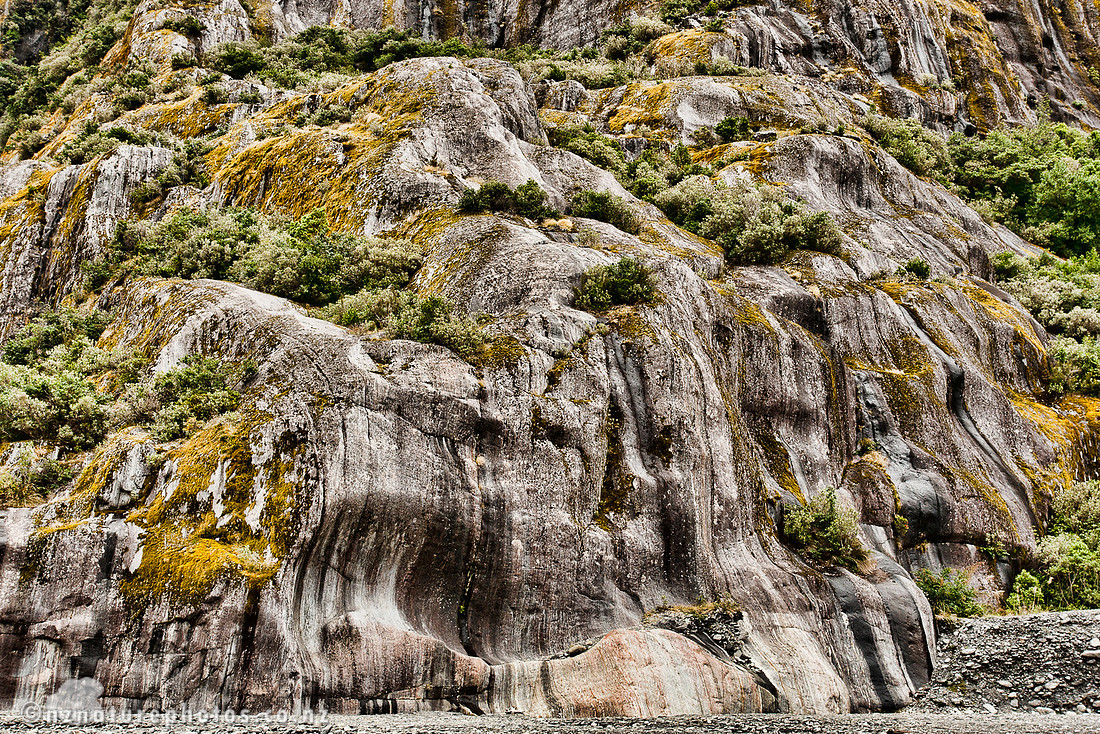
Fox Glacier was pretty poor weather. My goal of pristine shots of massive walls of ice were instantly thwarted. Nonetheless, there's a way to make the experience more genuine. Try to use the gray skies, rains and cloud to convey a different impression of the area. Hence these shots of the area.
Wild NZ - Fox Glacier
Wild NZ - Twisted Rock
Wild NZ - Spilled Rock


A sharp knife for instance, can be very useful in all sorts of places. Once certain parasites reach a suitable size under your skin, it's straightforward to dig them out with a sharp knife (and oh, it feels good too).
If you intend to risk being arrested by the local army, then it's wise to remain calm & polite. Having your camera loaded up with photos of wildlife will mean you will look less like a Western Spy. Bottles of whisky are still a suitable gift or bribe in many jurisdictions.
A suspicious looking photo

Road is a much more elastic term in many developing countries. It can merely mean a boggy surface lined by jungle. In which case, the purpose of your vehicle is to hold your bags while you get out and push the vehicle through the mud. Road can also be a very temporary phenomena. In a good rain, the road will be washing away faster than your rate of progress. This gets even more exciting when you're driving over mountains.
If you need to sleep somewhere rural, try to find a hut with lots of geckos. Shake out your bedding first to evict any cockroaches. Then with luck, the geckos will take out all the cockroaches before they make it back to the safety of your bed.
A shotgun in your land-cruiser can be a useful negotiating tool with local bandits. Be aware however, that bullets holes in your land-cruiser are often a hindrance to driving in remote locations.
Try to learn enough of the local language to avoid inadvertently agreeing to marry any villager's daughters. Four very useful phrases to know in any language are "hello", "thank you", "goodbye" and "I'd like a beer". Try not to get ill. Local medicines may be unpalatable and worse than your actual disease.
Local Medicines

While some camouflage attire is often comfortable in tropical areas and can be an aid to wildlife photography, it can also make local rebels nervous. Eschew the paramilitary look.
If you are going to work in conflict areas, try to find regions where the insurrectionists have poor bomb-making skills. This way the bombs are less likely to go off. Also, there's an important difference between a short haircut and a military-looking one. It is only funny being confused with the bomb-disposal guy weeks after the event.
]]>


I decided that lighting was too poor to get a highly detailed pic of one of the birds. Nonetheless, there atmosphere (and hey, effort of carrying the camera gear on a decent hike) suggested a different tack. I selected these three godwits sheltering from the wind, and went for a high-key composition.
 ]]>
Next time... never forget the macro
First pic is of one of the local caterpillars. These abounded in many trees in the region of the 'Elephant Vale'. It's also where we saw one of the biggest 'dick' moves by a Chinese tourist. H e wandered right up to one of these insects, and then scorched it with his cigarette for fun. Bastard.
#1 Caterpillar

The diversity of butterflies was impressive
#2

#3

#4

#5

#6

#7

#8 - From the Elephant Vale Butterfly House

#9 - From the Elephant Vale Butterfly House
 ]]>
Nonetheless, there were some elephants in a recovery centre that we were able to visit. We also got the chance to see some of the local reptile life.
The elephants here had been recaptured off drug smugglers, who were using them to move drugs across the border into China. Elephants have the advantage of not using roads a lot, and not generally being bothered for passports and identity cards.
Melancholic Elephant

Lizard

Big Lizard!

]]>
These are the pics I got:
Farm Building - near Mohang

Farm Building - near Mohang

Farm Equipment- Mohang Market

Border Post at Laos-China Border (Mohang)

Dai Village wall

On the road to Mohang
 ]]>
Just thought I'd share some pics I took of the reserve area. More will come later :)


 ]]>
# Long Long Exposure

#2 Stream Bed

#3 Up Stream

-----
For more photos please visit
|Zenfolio Albums|]]>
Essentials remain a solid and stable tripod, a cable release for some of the pics (which took 2-5 minutes for some exposures) and a willingness to get your boots wet and muddy :)
Here's three pics from the day (so far).
#1 Mossy Stream

#2 Rock Pool

#3 Steps

-----
For more photos please visit
|Zenfolio Albums|]]>
Crab spiders are not web builders, but ambush predators. The lack of web means there's often less clues as to their presence.
The local species around here is Sidymella angulata. These shots were taken with my macro lens and the Raynox 6x microscope adapter. (And a card behind the spider)


One advantage to being an ambush predator, is that they stay pretty still for photos :)
]]>
 ]]>
I think one of the problems with wildlife poaching is that its traditionally been seen as a conservation (i.e. biology) problem. One of the key things we need to grasp is that black markets for wildlife also have a strong economic dimension. People aren't poaching tigers and leopards because they're bad people. They're not doing it because they're misinformed. They're doing it because crime pays. Wildlife poaching is an economic activity that is profitable to its participants.
Sundarban Tiger - Source: Shutterstock

Poachers hunt animals because it works for them. They may have particular skill sets and knowledge that makes them adept at hunting. And the risks aren't off-putting. The frequency with which big-cat poachers get caught and prosecuted isn't high. Likewise smugglers are doing it for similar reasons. They're adept at transporting contraband over big distances and international borders.
So, we do need to understand how these criminal organisation operate at the economic level. How is they source their products, locate their customers and organise its distribution? What are the risk-reducing strategies they adopt? What is it that is driving the demand for tiger parts and the like? There are a lot of suggestions that seem reasonable, that also don't withstand a lot of scrutiny. It's been suggested that rich Chinese businessmen are the main customers for tiger skins. Well, with perhaps 300 tigers a year being poached, we can be pretty certain that the vast majority of rich businessmen aren't buying tiger skins. As a trait of the average consumer of tiger parts, this needs a lot of refinement.
]]>
One requirement is that you have a very steady tripod. The camera has to sit still for many seconds at a time. Not a breeze or vibration should affect it. The other dilemma I found, was that the camera meter couldn't calculate the exposure with the lack of light. So I had to work it out manually. Next tie, I'm bringing my light-meter.
Anyway, it's not a fantastic shot. I got rained on twice waiting for it to be clear enough to get the shot at Long Bay. But it shows what you can do with a very slow shutter speed (30 seconds)

It's the stream running into the sea down the beach by MERC. I've tried to compose the pic with three large stones mid-flow.
-----
For more photos please visit
|Zenfolio Albums| or |Committed Photography|]]>
While winter here means flowering plants are thin on the ground, the Kniphofia (red hot poker plant) is flowering. It's also popular with the silver-eyes (tauhou). This time round, it was the rain-drops hanging on the flowers that appealed.


These shots were taken with a 90mm macro and a 6x Raynox microscope adapter to "fill the frame"
-----
For more photos please visit
|Zenfolio Albums| or |Committed Photography|]]>
The last hike was back into Okura. I figured that the actual rain would keep a lot of people away and I knew the secluded beach had a small population of NZ dotterels (tuturiwhatu). This small shore bird is actually endangered. So, it is kind of a special place to visit. Last weekend I had watched them with my son, from the edge of the beach with binoculars. This time around, I thought I'd try for some photos.
I guessed right with the rain keeping people away. So it was just a matter of hiking through the forest to reach the beach. Along the ridge lines the forest thinned out into manuka and tanekaha trees.

Down at the beach it was close to high tide. This means the shore birds were close enough to photograph, with sufficient patience. The trick so often is to try to shoot at their eye level. That means getting down low- or lying flat on damp sand. The bonus is you look a lot less threatening to the birds.
To start with, there's a couple of dotterel photos. The first is my favourite and required very little cropping.

The mature males are in their breeding colours

The beach also has a thriving population of oyster catchers

While the land contiguous to the beach had a lot of chaffinches...

and even the odd kingfisher

]]>
This is the time of the year when we get the local groups of tauhou (silver-eyes) visiting. These small birds like the 'high octane' diet of nectar and fruit.

]]>
At the last SCB meeting I gave a paper on the breakdown of interdictions inside China. This data was obtained after some patient relationship building within China. The basic breakdown is as follows:
Figure 1: Smuggling Map 1999-2010

Province in coloured as deep-red are hotspots. These are provinces that have had multiple cases of smugglers being intercepted. The obvious characteristic is each is a province that borders range states with wild tiger populations.
Provinces in pale-red are low-interdiction cases. These are province that have had one arrest only.
The map also is instructive as it gives some idea of the scope of the international borders smugglers can take advantage of. It should come as no surprise that parts also show geographical trends also. Amur tigers are intercepted in the north (Heilong-Jiang/Jilin), Indo-Chinese & Bengali in the south (Yunnan), and Bengali in the west (Tibet).
]]>
The story is principally about a truck-driver, paid to smuggle 16 tiger cubs from Thailand into Laos. The driver was caught when he attempted to avoid a police checkpoint. With 16 cubs, it is practically certain these same from a 'breeding facility' within Thailand. Tigers can produce 4 cubs in a litter but less is also common. Getting 16 cubs from the wild within Thailand would involve a very serious effort in search, risks of mortality in transporting cubs out of the wild, and risks of being caught within the reserves. It would be much easier and less risky to get the cubs from a captive source. Such animals would also be more familiar with people and hence, more sedate to transport.
The interception is indicative of two enforcement issues. First, crossing borders is the riskiest aspect of the illegal supply chain. From an economic perspective, the 'black-market firm' is better placed to pass this risk on to people who are willing to bear it at a lower price. The driver said he'd been paid 15,000 baht ($US 490 or £300) for the job. The second is that the size of the shipment (16 live animals) shows that enforcement agencies are being ineffective. A good sign that enforcement is effective is reductions in shipment size. This is the easiest thing for smugglers to do to reduce their risks. It does inflate their other costs (fewer units transported each trip drives up the average costs). So, the fact they are making large shipments here mean that they have little to worry about from law enforcement.
The story implies that the cubs are being smuggled for parts for traditional medicines. This seems unlikely. It would be much easier to kill the tigers within Thailand and transport the parts in a more cryptic way. This would also mean the smugglers did not have live animals to care for and feed for the duration of the trip. I suspect the most likely explanation is that this is the nucleus for a 'tiger farm' within Laos. Thailand and Vietnam are known to have breeding of tigers occurring in 'commercial quantities'. This may now be a reflection of the attempt to do the same within Laos. With actual wild tiger numbers in Indo-China being critically low, captive sources of tigers are much easier to locate and transport.
This also means that the CITES resolutions that call upon certain range states to end such breeding is largely being ignored.
]]>
On one evening we went 'cultural' and part of the performance was these traditional Chinese drummers.
 ]]>
Once you start shooting at these kind of focal lengths (my rule of thumb, 500mm or more) stability is an issue. This is why tripods are normally used as an adjunct for the big lenses.
I didn't really have time to pack and setup a tripod however on Sunday, so I did it the hard way with a handheld shot. I'm usually pretty steady with a camera and lens (which helps with a lot of the macro shots I do), but cranked the shutter speed up to 1/1000 sec and ensured the camera stabiliser was working. This should buy me a few extra stops of stability.
Tuis are starting to increase in abundance our way, so I went out for some snapshots. Lighting conditions weren't ideal. I like to have a bit of directional light with our native birds, especially as they often have a metallic sheen to them when the sun hits them at certain angles.
Anyway, this is my hand-held, manual focus shot of a local tui.

]]>
There was a couple of minor hiccups on the drive over with short-lived, stomach wrenching anxiety-surges. But once I got there and started interacting it went fine. Plus I've also picked up some suitably nerdy information on cryptography and the tango.
I tried to impart numerous bits of advise to the audience on a range of topics- mostly on how to investigate illegal wildlife activity without getting shot, arrested or suffering acute alcohol poisoning. Along the way we discussed a bit on tiger conservation. Anyways, I'm in a good place at moment. And keen to do more of these sorts of events.]]>
The Lake is home to a number of bird species and this includes the Australian swan. The adult swans are I confess, one of the least endearing birds I've encountered. Large aggressive birds are a tad lacking in charisma.
Still, its hard to deny that juvenile birds, clothed in down, have a much greater appeal. The weather conditions were keeping this group of cygnets close to their mother. Enjoy :)
 ]]>

Click link if image doesn't display on your monitor|
For more photos please visit
|Zenfolio Albums| or |Committed Photography|]]>
This led to the spotting of two crane-flies locked in coitus


This shot used my new Macro twin Flash with the side-arm on the right extended and angled to give some side light and pick out more fine detail on the antenna and body hairs. I also had a 6x Raynox adapter attached to the macro lens.]]>

]]>
Now, not everybody who watches border areas are interested in wildlife. It seems military forces also take an interest in what their neighbours are doing. This Chinese mobile unit (radar?) is positioned facing North Korea.
 ]]>

Of course, if any local mushroom experts want to help me with an ID, I'd be very appreciative.]]>
The minor issue was cutting my fingers out in the bush, so bleeding was an added hassle. Some of my gear has a new patina of red :/
#1 A momentary respite

#2 Rush

#3 Steps

Larger versions of these Mokoroa photos can be viewed at:
|Zenfolio Albums| or |Committed Photography|]]>
This fall is quite spectacular, but the constant water spray ruined many of my shots

The other fall is more picturesque than powerful. The mature trees at the top of the falls gives some idea of the scale.

The flow of water over the rock faces is appealing.

Larger versions of these Mokoroa photos can be viewed at:
|Zenfolio Albums| or |Committed Photography|
]]>
#1 Liquid Green

#2 Marooned

Larger versions of these photos can be viewed at:
|Zenfolio Albums| or |Committed Photography|
]]>
I found this Southern Bell Frog (originally a native from Tasmania) on my trip to the Mokoroa Stream. The effect of it sitting in the dewy grass appealed. As I didn't have a macro lens with me at the time, I used my Carl-Zeiss 16-80mm zoom with a 20mm extension tube.
 ]]>
 ]]>

Last Wednesday in Auckland had the coincidence of clear skies, cool temperatures and a study-break on campus. I put in for leave for the day, and then went off to explore the Mokoroa Stream in Goldies Bush. This is an area of native forest, some of it regenerating, between Waitekere and Muriwai. I hadn't been there before, so I tried to travel light. Which actually isn't as easy as it sounds when you're packing camera gear and a solid tripod.
The thing I like about New Zealand forest streams, is that they tend to emphasise cool tones of blues and greens. The low light conditions are what makes the tripod compulsory for getting shots.
#1- this photo had an exposure time of 20 seconds. 
#2
#3
Larger versions of these photos can be viewed at:
|Zenfolio Albums| or |Committed Photography|

It's a bit of a belated Wednesday blog post as I went feral yesterday and disappeared into some native bush for the day. That will have to be the subject of a different blog post of course.
Anyway, this pic is of that very impressive, very large and redoubtable Estuarine crocodile. Most of the body mass is kept concelaed under the waterline. At 5 metres long, one of these reptiles can weigh 500kg.
|Zenfolio Albums| |Committed Photography|

This pic is of a row of Traditional Chinese Medicine shops at the Xi'an market. For the most part, the ingredients for TCM are plants and fungi. Animal parts make up a minority of treatments. The purpose of the visit here was to scope out the market and see if claims that endnagered animal parts are 'sold openly' via the TCM system were true.
We failed to find any evidence of such traffic. Albeit if you want to buy fake animal parts, this isn't such a bad location. One shop had some lovely pieces of bone on display, and a quick inspection made the mould lines of the resin-cast they used obvious. To mimic the appearance of marrow they'd stuffed lots of fine twigs in the middle. I have to say the covetous look the shop-owner got when I asked about the price was amusing. I assume that a lot of Chinese urban consumers aren't familiar with basic bone anatomy.

To prove that I don't always take macro photos of spiders, here's a small moth I located last week in an evening session. I'm afraid I'm no expert on NZ moths and have absolutely no idea what species it is. I did like the way it was hanging vicariously on the small twig on the tree though.
The lighting effects came from my Macro Twin Flash. Also, taking photographs of arthropods in the dark of night is a lot harder than you might think…
|Zenfolio Albums| |Committed Photography Prints|

Juvenile Meerkats at Auckland Zoo. Can you withstand the 'cute'? :)
These guys appeared late afternoon on my last trip there. It was a time when I appreciated having the fast 70-200/2.8 G with me to cope with the low light. Even so, not a lot of pictures were keepers.
|Zenfolio| – |Committed Photography|

While I spent last night photographing local predators (assorted NZ spiders), I thought people would probably appreciate a tiger more:
Sadly, as yet I've not been to Indonesia so have not had the chance to see a Sumatran tiger in the wild. This pic, as some of you can probably deduce, is from Auckland Zoo. Captive breeding of this endangered sub-species is being spearheaded by Australian and NZ zoos.

At the moment New Zealand is doing well at the London Olympics. As of this morning, we're ranked number 14 in the medal table (yeah, that means ahead of Australia). There are all sorts of other ways to rank this too. Crude ways to look at medal tallies include relating it to population (in which case we look fantastic) or to GDP (drop a few places lower).
The problem is that a lot of these ways are crude. This relates to a host of factors. First up, how we rank countries isn't based on the total number of medals. Australia has got (as of today), 1 gold and 12 silver. NZ has 3 gold and 0 silver. The ranking-system means that 1 gold medal always beats 1 silver…or 10 silver…or 100 silver. Gold medals are really nice to have. Gold medals should count for more than silver. It's just hard accepting that no amount of silver medals would ever equal a gold.
The second problem is that medals aren't statistically independent of each other. In some sports the ability to win a gold medal in one event, is strongly linked to others. A good example is sprinting. If you are an Olympic-class sprinter, then the odds you can win gold medals in the 100m, 200m, 400m, 4×100 relay and long-jump are actually linked. Jessie Owens proved it at Berlin. Carl Lewis proved at Los Angeles. These are events that use similar physical aptitudes. Conversely, there's less options with boxing or long-distance running. You'll notice that Marathon runners don't come back with a bag of medals. The events you compete in, give different medal tally distributions.
There are some general things that do affect medal-tallies. Population-size is one of them. It's not a precise line up, but if we imagine the distribution of athletic talent follows some kind of bell-curve, then countries with big populations will have a larger upper tail to recruit athletes from. This isn't a simple translation of population to medals. To be a top athlete also requires motivation (it's not obvious that this is linked to GDP, athletic prowess can be a path out of poverty to some). It also requires both training and exposure to top-level competition. So this might be linked to GDP. Nonetheless, it doesn't have to be. In fact, the enormous variation in medal performance linked to GDP, suggests this is a poor way to predict or explain sporting success.
In the end and irrespective of the ways we measure success at the Olympics, I am enjoying the gold-medals we've been accumulating. We're doing well :)
What I thought was going to be a quick job picking up some bottles, ended up being a major exercise in trash removal. Someone a bit further up the ridge, had a rather filthy approach to garbage disposal. By the time I finished three full trash bags of garbage had been cleared.
The trash including cutlery, ice-cream containers, three pairs of rotting underpants(!) and the usual suspects of coke and beer bottles and chip packets. I of course, am loath to generalise but it seems the perpetrators had a fondness for cask wine, Coruba rum and coke drinks, and corona beer.
So what was an idyllic area of kauri, nikau and other bush, where tuis and kereru were common, was reduced to someone's trash dump. I don't understand the laziness and temperament that would prompt someone to toss these into a bush area, rather than a rubbish bag.]]>
]]>The kaka has also been in decline. This is largely due to the competition and predation by introduced pests. Where pest control is effective, kaka populations do much better.
At Puhaka (Mount Bruce) 12 kaka were released into the reserve a few years ago. Numbers have increased quickly and the bird is now a relatively common site in the area. The birds are still wild, but largely habituated to the presence of people. This certainly helped me get some photos.
This shot is of a kaka feeding on flax flowers. If you look closely you should be able to see its tongue inside the beak.
Link to larger image
]]>

Link to larger image]]>
Well, the delight of moving 1200 photos from my memory cards to PC has been accomplished, and the slower process of processing and editing photos has begun.
I thought I'd begin with pair of juvenile kotuku (white herons) at their nesting site in Okarito. Okarito lagoon is the only location in New Zealand where this species breeds.

Link to larger image
Hope you enjoy :)]]>